The Human Journey on Wheels: Vehicles as Architects of Civilization
Introduction
Throughout history, vehicles have been more than mere instruments of transport—they have become emblems of human ingenuity, agents of economic transformation, and conduits for social connectivity. From primitive carts to electric marvels brimming with artificial intelligence, the story of vehicles is inseparably linked with the evolution of society itself. This article embarks on an exploration of the remarkable diversity, ingenuity, and consequence that vehicles bring to our modern world, inviting you to see them not simply as machines, but as architects of progress.
From Humble Beginnings: The Historical Tapestry
The Dawn of Mobility
Long before engines or metal chassis, our ancestors sought ways to ease burdens and extend reach. The wheel, invented around 3500 BC in Mesopotamia, transformed simple carts from curiosities into essential tools for trade and agriculture. Animal-drawn chariots, oxen carts, and rudimentary boats soon populated early civilizations, expanding the possibilities of exploration and connecting distant communities.
The Machine Age Unfolds
With the advent of the Industrial Revolution, the landscape of mobility shifted. Steam engines powered trains and ships, shrinking the world and knitting cities together. The breakthrough, however, came in the late 19th century: Karl Benz’s gasoline-powered automobile in 1886 heralded the birth of personal motorized transport and set in motion the era of the car. No longer was movement dictated by muscle or wind—the spark of internal combustion ignited an enduring passion for innovation.
The Modern Vehicle Mosaic
Land Vehicles: The Bedrock of Daily Life
-
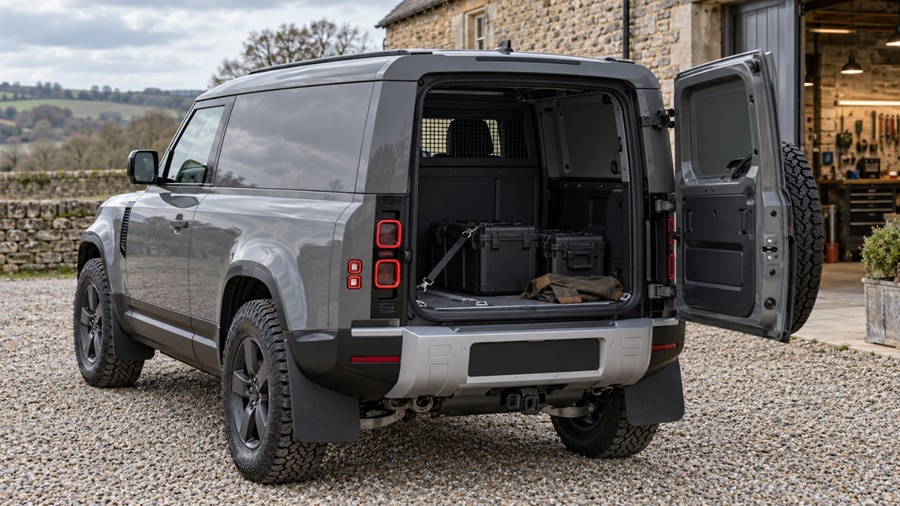
Cars: These ubiquitous companions now exist in myriad styles—sedans for families, convertibles for enthusiasts, and electric vehicles for the eco-conscious. Each iteration speaks to the evolving priorities of society.
-
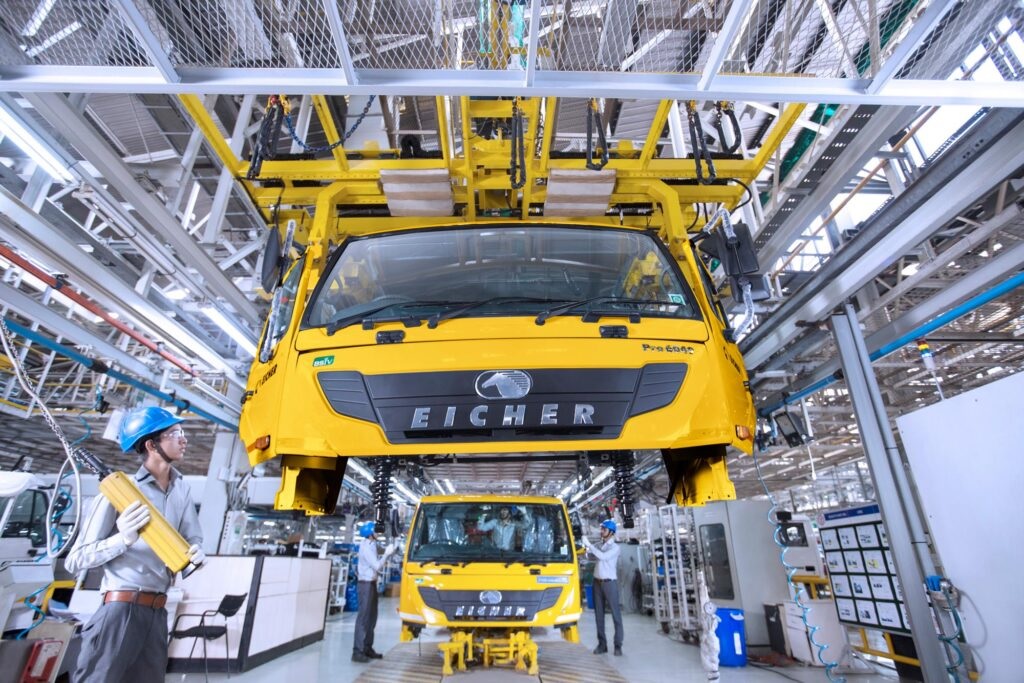
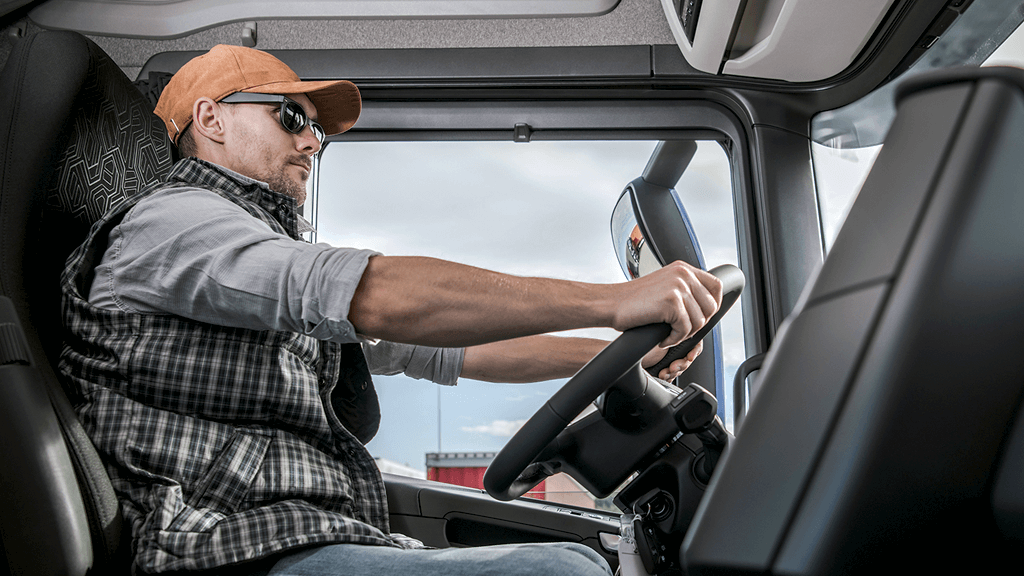
Trucks and Vans: Essential for hauling goods and building economies, trucks and delivery vans keep commerce and communities supplied.
-
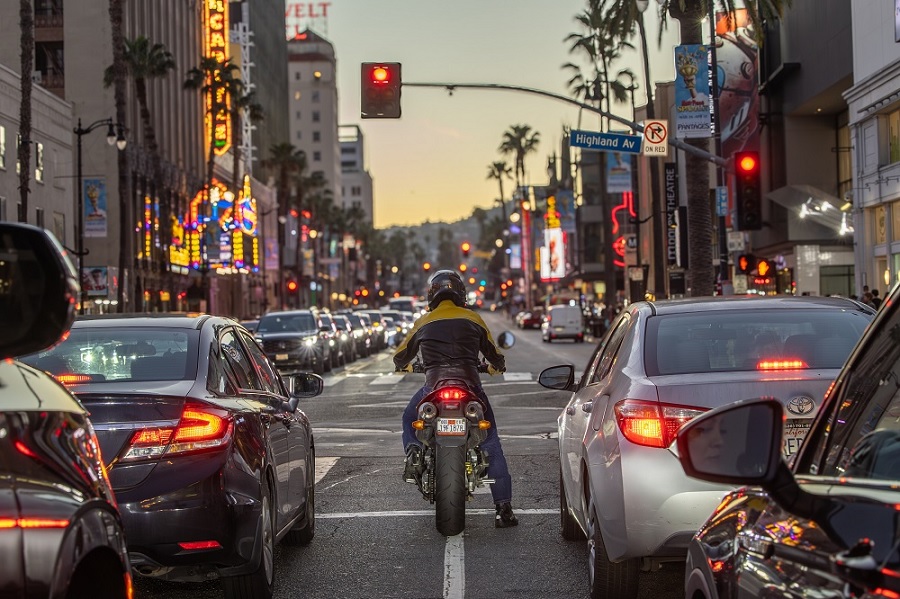
Motorcycles and Bicycles: On two wheels, personal freedom meets efficiency. Motorcycles serve as both recreation and essential mobility in bustling metropolises, while bicycles foster health and environmental stewardship.
-
Buses and Mass Transit: Large passenger vehicles pave the way for sustainable urban movement, easing congestion and providing crucial access for all.
Air and Water Vehicles: Conquering New Frontiers
-
Aircraft: From nimble helicopters to massive airplanes, flight redefines how we perceive distance, enabling rapid global movement and disaster response.
-
Boats, Ships, and Submarines: These watercraft underpin global trade, connect isolated communities, and probe underwater mysteries.
Specialty and Recreational Vehicles
-
Electric Vehicles (EVs): Once a novelty, EVs are reshaping markets and mindsets. Their promise of zero-emissions travel places them at the forefront of environmental responsibility.
-
RVs and Campers: Crafting adventure on four wheels, these vehicles blend comfort with wanderlust.
| Vehicle Type | Typical Use | Notable Features |
|---|---|---|
| Sedan | Personal, family transport | Comfort, efficiency |
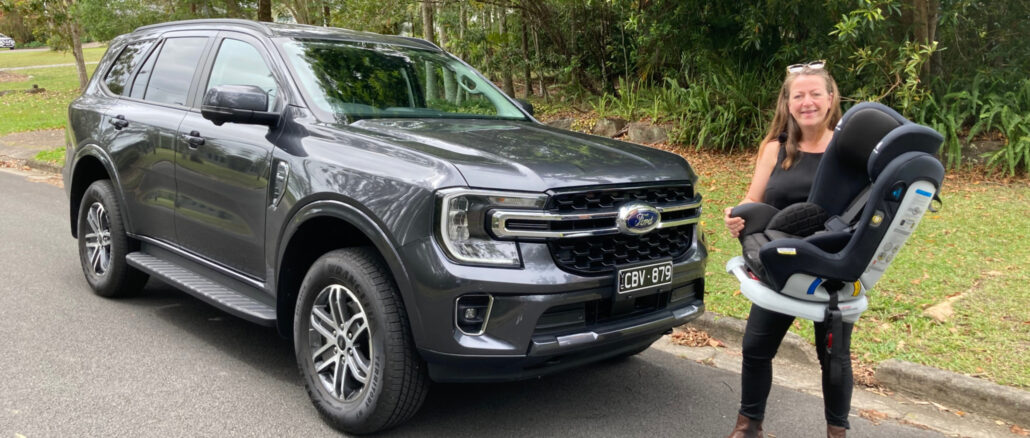
| SUV | Diverse, off-road/family | Versatility, space |
| Pickup Truck | Cargo, construction | Strength, utility |
| Motorcycle | Personal, recreation | Agility, speed |
| Electric Car | Urban commuting, eco travel | Zero-emissions, innovation |
| Ship | Freight, travel, military | Mass scales, oceanic range |
Vehicles as Cultural and Societal Catalysts
Shaping Cities and Lifestyles
The boom in personal vehicles transformed the design of cities—sprawling suburbs, highways, and roadside cultures emerged to accommodate the tide of automobiles. Traffic, both blessing and curse, became a defining feature of modern life. Cars enabled new levels of independence, rewired patterns of work and play, and even shaped the rhythms of daily existence.
Engines of Economy
Vehicles underpin global industries: manufacturing, shipping, tourism, and logistics rely on fleets both vast and diverse. Mass production—epitomized by Henry Ford’s assembly line—made cars accessible to the many, not just the privileged few. In turn, entire economies now rise and pivot on the ebb and flow of automotive innovation, sales, and infrastructure.
The Double-Edged Sword
In all their triumph, vehicles introduce complex challenges:
-
Environmental Impact: Fossil-fuel vehicles are significant sources of greenhouse gases and pollution, spurring urgent quests for sustainable alternatives.
-
Urban Congestion and Health: Traffic jams, noise, and accident rates shadow the promise of convenience.
-
Social Inequality: Access to vehicles can equate with opportunity—or reinforce existing divides.
The Technological Horizon: Vehicles of the Future
Electrification and Autonomy
The current automotive revolution converges on two bold frontiers: electric powertrains and autonomous technologies.
-
Electric Vehicles: With advances in battery range and charging speeds, electric cars increasingly dominate headlines and showroom floors, offering cleaner options for the conscious consumer.
-
Self-Driving Systems: Artificial intelligence, radar, and sensor arrays propel us toward a future where vehicles might navigate themselves—potentially reducing accidents, redefining urban mobility, and affording newfound independence to many.
Smart and Connected Mobility
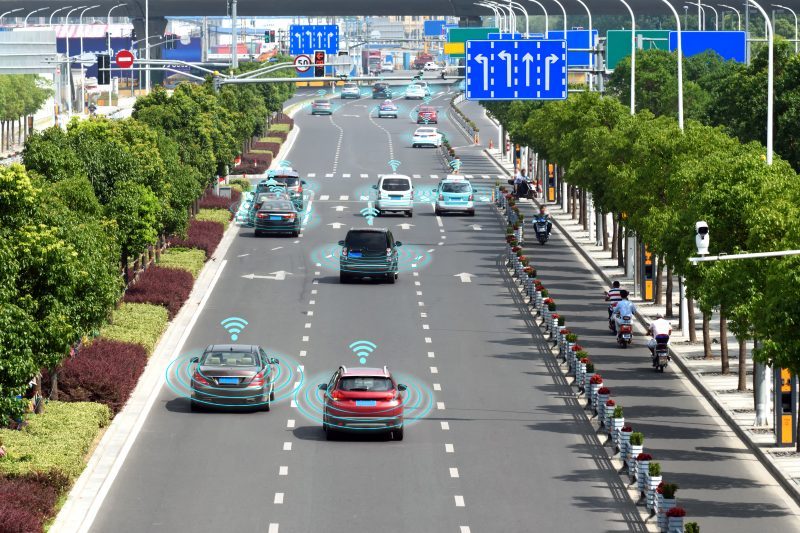
Modern cars now host a suite of digital assistants, intuitive infotainment, and over-the-air updates. Vehicle-to-Everything (V2X) communications are beginning to harmonize traffic, improve safety, and integrate vehicles into broader smart city ecosystems.
Shared and Service-Based Models
Ride-sharing, car subscriptions, and multi-modal transport frameworks promise to reimagine ownership—placing access and efficiency above mere possession. The rise of Mobility-as-a-Service signals a shift from product to experience, with profound impacts on design, infrastructure, and societal norms.
Practical Engagement: Choosing and Using Vehicles Wisely
A vehicle purchase is both an emotional and intellectual exercise. Consider:
-
Purpose and Context: Urban commute or rural rambles? Family needs or solo journeys?
-
Environmental Considerations: Choose fuel-efficient or zero-emission vehicles when possible.
-
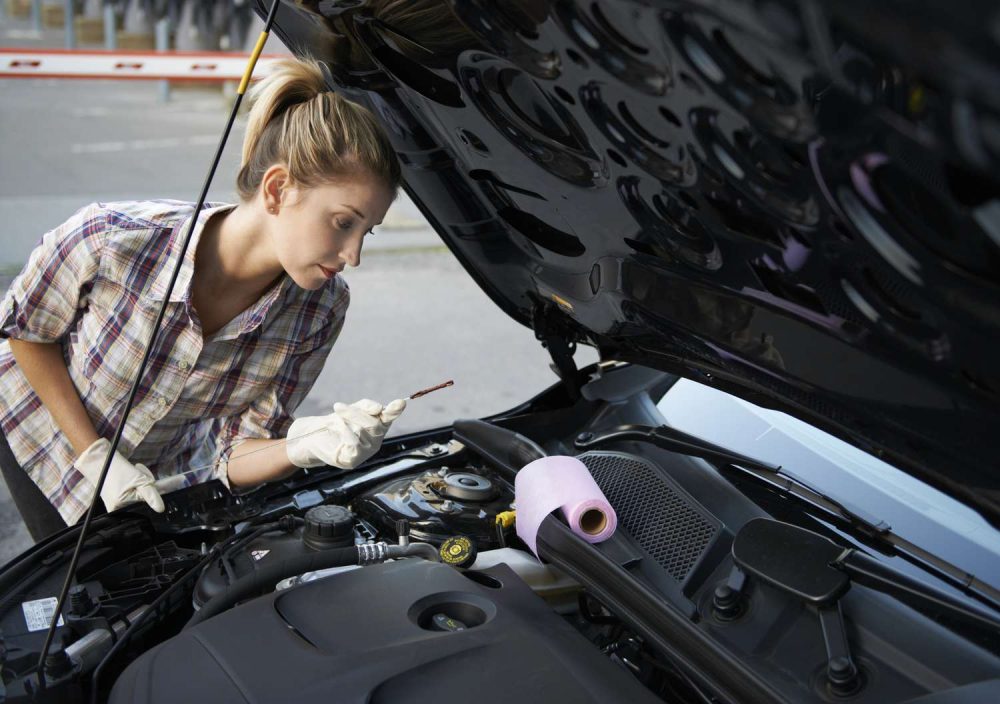
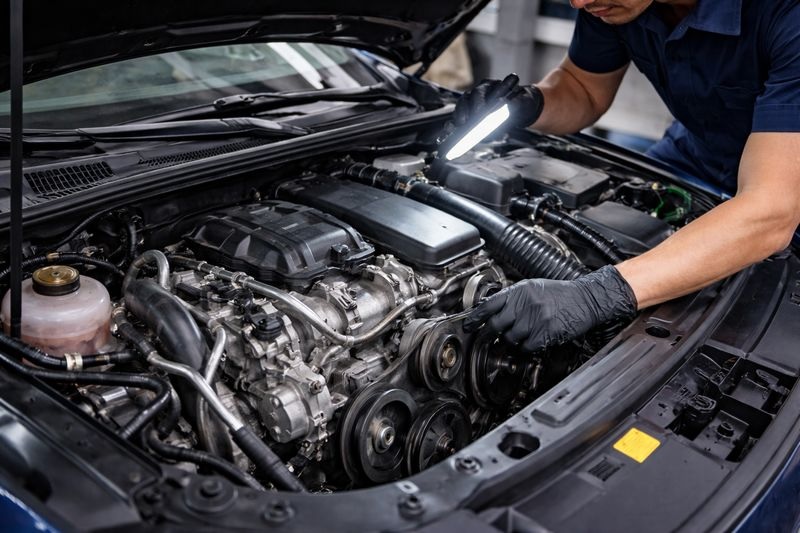
Cost and Maintenance: Look beyond sticker prices to include insurance, maintenance, and potential resale value.
-
Safety and Features: Prioritize advanced safety systems, reliability, and user-friendly technology.
Conclusion
Vehicles stand not just as mechanical marvels, but as reflections and shapers of human progress. They are at once liberators and liabilities, weaving together stories of aspiration, innovation, and consequence. As we steer toward an electrified, autonomous, and interconnected future, the challenge and opportunity lie in harnessing vehicles to drive not just ourselves, but civilization, toward a destination of sustainability, equity, and shared possibility.