Car Repairs Redefined: Navigating the Next Generation of Automotive Care
Introduction
The landscape of car repairs has shifted dramatically. No longer the exclusive domain of grease and grit, automotive care in 2025 thrives at the intersection of cutting-edge technology, sustainability, and bespoke expertise. Today’s vehicles are rolling computers—intricate and interconnected, demanding an evolved sensibility from owners and repair professionals alike. In this refined exploration, we journey through the fundamental changes, emerging challenges, and modern solutions that shape the art and science of car repair.
The Modern Car: Not Just Metal and Oil
Recent years have seen unprecedented complexity in vehicles due to several converging trends:
-
Explosion of Electric and Hybrid Vehicles: EVs and hybrids are becoming standard, bringing battery diagnostics, high-voltage safety protocols, and specialized parts to the fore12.
-
Rise of Advanced Digital Systems: Sensors, cameras, and microprocessors now control everything from fuel efficiency to driver assistance. Repairing cars often means deciphering software, not just hardware21.
-
Sustainable Propulsion and Biofuels: As manufacturers push for greener options, repair shops must now be versed in non-traditional engines and alternative fuels1.
The Owner’s New Dilemma
With these advances, even the most diligent owners face a learning curve. Understanding maintenance needs and when to seek expertise has become both crucial and challenging.
Common Car Repairs in 2025: Trends and Troubles
A new era hasn’t eliminated the classics—many traditional repairs remain, though their underlying causes are evolving34:
-
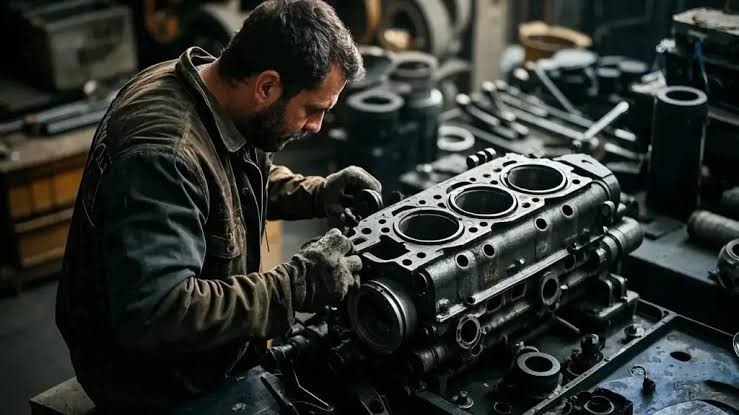
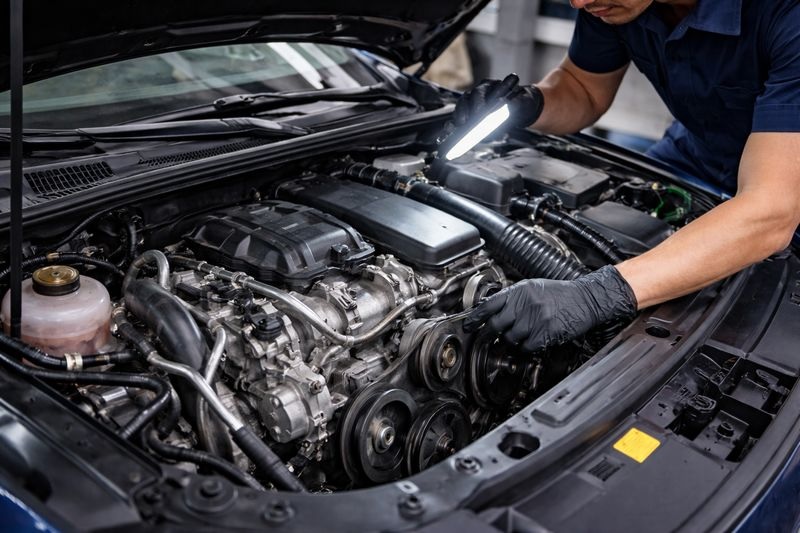
Engine Problems: Still the most costly, now exacerbated by electronic control failures and timing chain wear, particularly in turbocharged engines.
-
Transmission Woes: Electronic issues in automatic and continuously variable transmissions have become frequent and complex.
-
Brake System Maintenance: Persistent, but new ABS modules and electronic calipers add difficulty.
-
Cooling and Battery Systems: Corroded radiators, failed water pumps, and advanced battery diagnostics are routine.
-
ADAS Calibrations: Advanced Driver Assistance Systems like lane-keeping and adaptive cruise control require precise recalibration after windshield or bumper repairs2.
Prevention Strategies
-
Schedule regular inspections, especially for brakes, batteries, and electronics.
-
Heed new dashboard alerts and warnings—modern cars often self-diagnose minor issues before they escalate.
-
Use predictive maintenance systems, enabled by sensors and IoT connectivity, to catch problems early5.
Technology at the Heart of Modern Repairs
Diagnostic Innovations
-
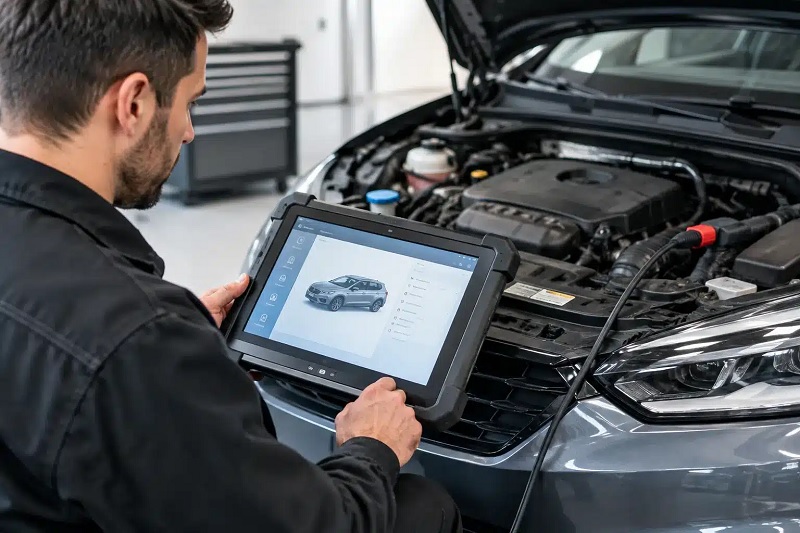
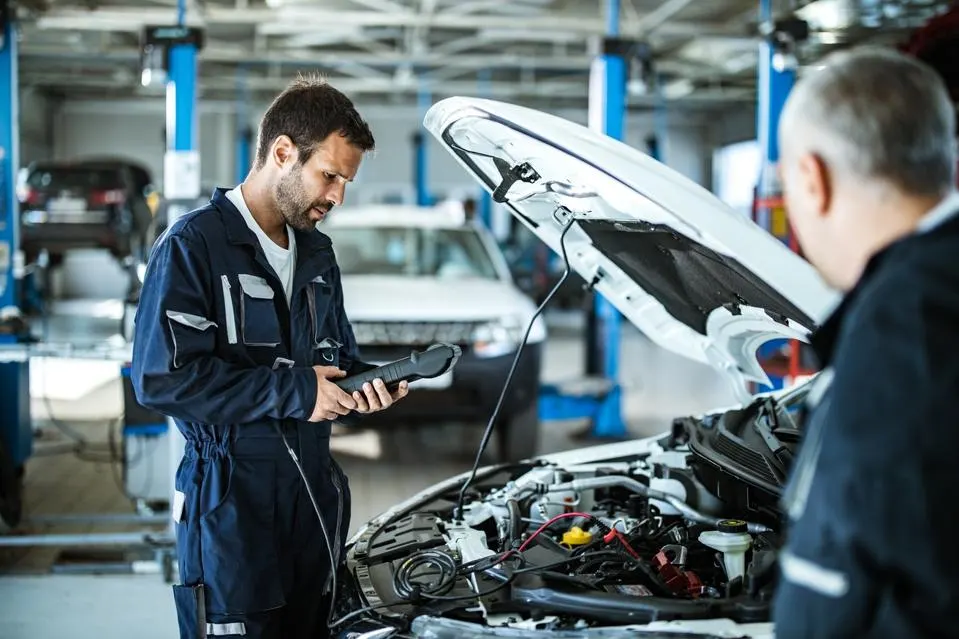
AI-Powered Tools: Modern scan tools leverage artificial intelligence, quickly identifying subtle issues undetectable by traditional means26.
-
Remote Monitoring & IoT: Sensors in all vehicle systems allow real-time data collection, enabling mechanics and owners to anticipate problems before breakdowns occur51.
-
3D Printing & AR: On-demand part fabrication reduces delays, while augmented reality overlays guide technicians through complex procedures17.
Automation in The Workshop
-
Automated Maintenance: Robotics and automated lifts handle routine jobs like tire changes and alignments, minimizing variability and speeding service.
-
AI-Driven Claims and Service Scheduling: Repair shops now use AI not just for fixing cars but for streamlining paperwork and improving customer service76.
The Human Side: Skills and Challenges
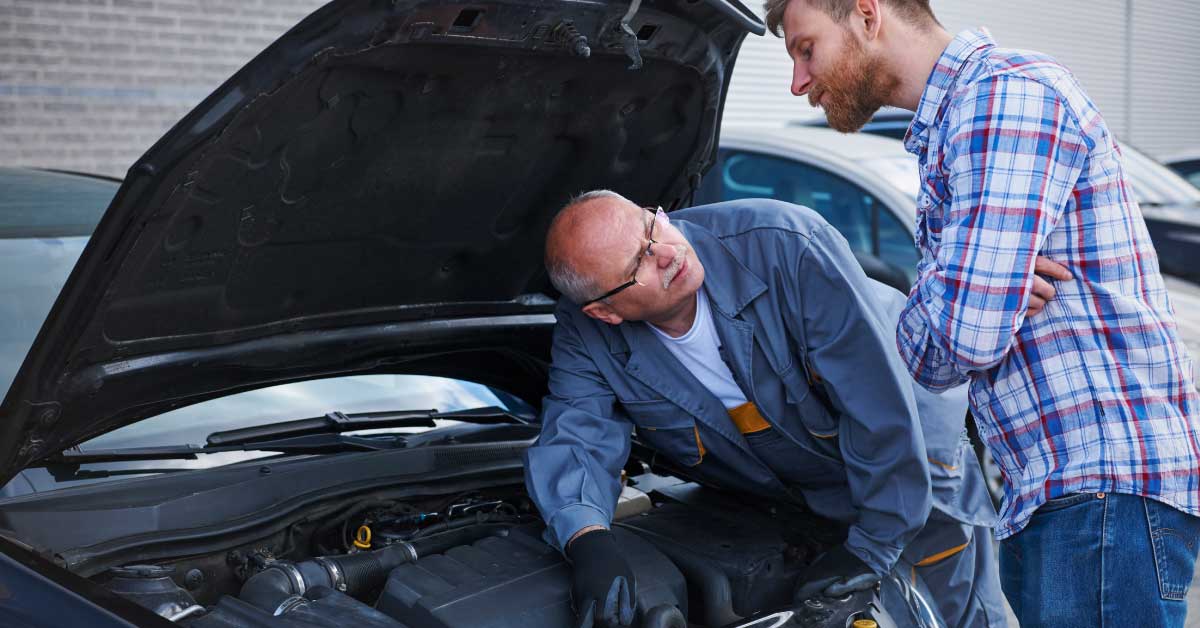
Despite technology’s ascent, the need for skilled professionals has never been greater. Today’s mechanics require fluency in software troubleshooting, high-voltage systems, and digital calibration. Ongoing education and upskilling define the modern repair specialist’s career path89.
-
Training for Electric and Connected Cars: Shops invest heavily in certifications and the latest tools to remain competitive.
-
Sustainability Efforts: From eco-friendly fluids to recycled parts and energy-efficient processes, green repair practices are spreading rapidly17.
Cost and Value: The Economics of Automotive Care
With sophistication comes cost—from luxury SUVs with $1,600 routine maintenance bills to high-end EVs requiring specialized labor10. The best defense remains proactive, data-driven maintenance and selecting reputable, well-equipped workshops1011.
Smart Saving Tips
-
Compare quotes, especially for complex jobs.
-
For minor issues, consider DIY—but only after researching updated steps for modern cars.
-
Preserve service records and digital logs for easier resale and warranty claims.
Looking Ahead: The Road to Tomorrow
As manufacturers and repair industries pivot toward digital services, connected diagnostics, and green solutions, car repairs are moving from reactive fixes to proactive partnerships between owner, vehicle, and professional. Embracing training, technology, and transparency, the industry promises greater safety, reliability, and peace of mind for all.
Conclusion
Car repairs, once a dreaded necessity, have become a showcase for ingenuity, adaptive skill, and high-tech precision. For modern owners, success lies in staying informed and forming trusted relationships with certified specialists. The journey of car repair is evolving—today, it’s an art, a science, and above all, an opportunity for empowerment in every mile ahead.