The Art of Pre-Owned Excellence: Mastering the Used Car Journey

Introduction
Securing a used car is more than a pragmatic choice; it is a meticulous blend of research, discernment, and the pursuit of value. The pre-owned car market, brimming with potential yet rife with hidden intricacies, calls for a sophisticated approach. This article guides you step-by-step through selecting a used car, arming you with insights to navigate with confidence, clarity, and class.
The Perfect Match: Defining Your Automotive Needs
Self-Assessment: Clarity Before the Hunt
Before diving into listings and negotiations, invest time in understanding your requirements:
-
Purpose of Use: Are you seeking a daily commuter, a weekend explorer, or a family hauler?
-
Passenger Capacity and Cargo Space: Consider both present and future needs.
-
Fuel Efficiency vs. Performance: Settle on the right balance for your lifestyle.
-
Budget: Calculate not just the purchase price but ongoing costs—insurance, maintenance, and taxes.
A well-defined priority list trims distractions and narrows the field to candidates that truly suit your needs1.
The Market Landscape: Research Before You Roam
Analyze and Compare
-
Model Reliability: Turn to trusted reports and owner forums for honest feedback.
-
Depreciation Trends: Certain brands retain value better—capitalize on this knowledge.
-
Market Value: Scan online marketplaces to understand fair price ranges for your shortlisted models.
Timing the Purchase
Opportune moments—year-end sales, new model launches, or off-peak periods—can yield savings as sellers look to close deals21.
Preparing for Inspection: Diagnosis and Diligence
Preliminary Documentation
-
Vehicle History Report: Insist on one—unearth prior accidents, title issues, or odometer tampering.
-
Service Records: Consistent maintenance signals a cared-for vehicle; missing records merit caution231.
-
Original Documentation: Registration Certificate (RC), insurance, pollution certificate, and loan clearance if applicable.
The Inspection Checklist
Exterior Appraisal
-
Bodywork: Scan for scratches, dents, rust, and paint mismatches—a patchwork history may reveal prior collisions.
-
Panel Gaps & Alignment: Inconsistencies can indicate hidden structural issues.
-
Tires: Uneven wear might suggest alignment or suspension troubles.
-
Glass and Lights: Chips, cracks, and foggy lenses signal neglect45.
Interior Scrutiny
-
Seats and Upholstery: Look for stains, rips, and water damage.
-
Dashboard Electronics: Ensure every light, gauge, and button works as designed.
-
Air Conditioning, Heater, Audio System: Test extensively; repairs can be costly.
-
Odor Assessment: Musty smells could betray flooding or poor hygiene45.
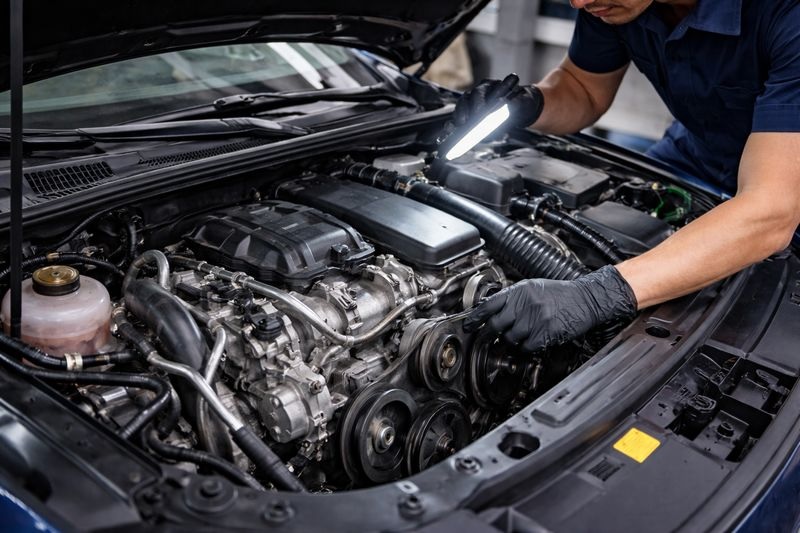
Under the Hood
-
Engine: Start cold—observe for rough idling, smoke, or odd noises.
-
Fluid Levels: Oil, coolant, brake, and transmission fluids should be at correct levels and free from contamination.
-
Belts & Hoses: Check for cracks or fraying.
The Test Drive
-
Start-up: Note how the engine responds to ignition.
-
Acceleration & Braking: Look for smooth, responsive transitions.
-
Steering: No vibration or drift—check control at highway speeds and around corners.
-
Suspension: Drive over bumps or rough patches to assess ride quality and identify rattles or squeaks.
Professional Assessment
Even after your thorough review, consider hiring an independent mechanic for a professional inspection. Their experienced eyes and diagnostic tools can reveal costly flaws not visible to the average buyer7.
The Essentials of Documentation
-
Title Status: Always ensure the title is clear; steer clear of salvage or rebuilt vehicles unless deeply discounted and professionally assessed for safety.
-
VIN Verification: Confirm that the Vehicle Identification Number matches all paperwork and database reports.
-
Maintenance Log: Favor vehicles with organized service histories—it’s a window into ownership habits and helps maintain resale value271.
Negotiation: Securing Value with Poise
Setting the Stage
-
Research Comparable Listings: Arm yourself with data on similar vehicles; transparency earns respect from sellers89.
-
Inspect and Highlight Flaws: Minor faults (e.g., worn tires or expired battery) can become negotiation levers.
-
Start Low, But Be Realistic: Offer below market value to allow space for haggling, but stay within the range of fairness8109.
-
Separate Negotiations: Deal separately on price, trade-in, and financing to retain control over each element11.
-
Be Prepared to Walk Away: Confidence is a powerful bargaining tool.
Finalizing the Purchase
-
Out-the-Door Price: Insist on the full, all-inclusive amount—beware of hidden fees.
-
Request Perks: If the seller won’t budge on price, negotiate for added extras like free servicing, floor mats, or extended warranties11.
-
Read the Contract Thoroughly: Double-check every detail before signing.
Post-Purchase: Starting Anew
Immediate Essentials
-
Fluid Changes: Replace oil, coolant, and filters to establish your maintenance baseline.
-
Tire and Brake Check: Safety first.
-
Organize Documentation: Create your own log for future service.
Personalization and Care
-
Thorough Cleaning: A deep detail, inside and out, helps you start ownership with pride.
-
Emergency Kit: Stock your car with first aid, basic tools, and important contacts.
-
Protect Your Investment: Regular maintenance and careful driving will extend your car’s life and preserve its value.
Conclusion
The journey to acquiring a used car is as much a test of patience and diligence as it is of taste and resourcefulness. By blending thoughtful research, attentive inspection, and strategic negotiation, you transform the transaction from a leap of faith to a statement of wisdom. Let every mile in your new-to-you car be a testament to the mastery—and joy—you brought to the process.