Essential Tips First-Time Buyers Must Know Before Purchasing Used Cars
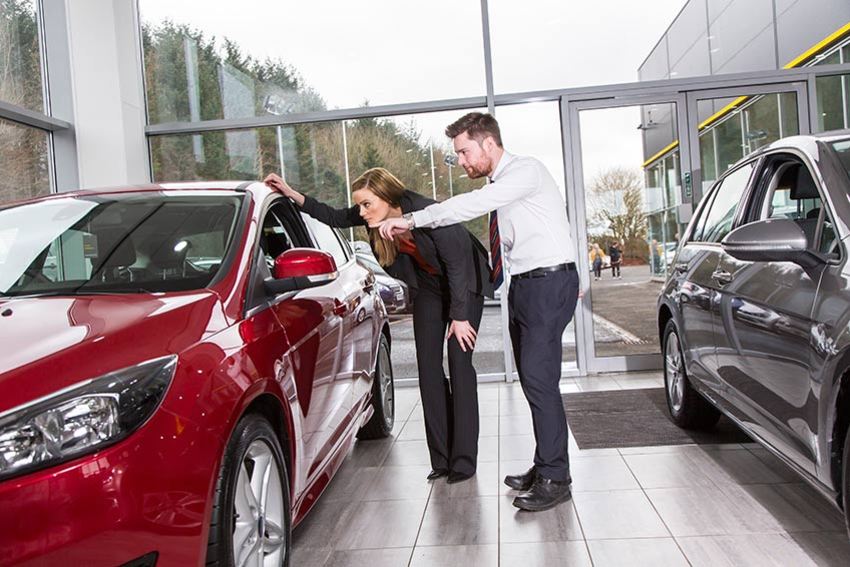
Buying a used car for the first time can feel overwhelming, especially when you’re balancing budget limits with reliability concerns. With the right preparation and a clear evaluation process, you can avoid common pitfalls and drive away confident in your purchase. This guide breaks down the essentials every first-time buyer should know before committing to a used vehicle.
Understand Your Budget Beyond the Sticker Price
The listed price is only part of the total cost. First-time buyers often overlook expenses that appear after the sale.
Account for these costs upfront:
-
Registration and title fees
-
Insurance premiums (often higher for certain models)
-
Routine maintenance and potential repairs
-
Taxes and inspection fees
Setting a realistic all-in budget helps prevent financial strain later and keeps negotiations grounded.
Research Reliability, Not Just Looks
A car’s appearance can be deceiving. Long-term dependability matters far more than cosmetic appeal.
Focus your research on:
-
Known reliability records of the model and year
-
Average repair costs and parts availability
-
Fuel efficiency and ownership costs over time
This research narrows your options to vehicles that are proven to last.
Always Check the Vehicle History
A vehicle history report provides insight into the car’s past and can reveal red flags that aren’t visible during a test drive.
Look closely for:
-
Accident or flood damage records
-
Title issues such as salvage or rebuilt status
-
Consistent ownership and service history
If the seller hesitates to provide this information, it’s often a sign to walk away.
Inspect the Car Thoroughly or Hire a Professional
Even if the car seems fine, a detailed inspection is crucial. Minor issues can signal larger, costly problems.
Key areas to examine:
-
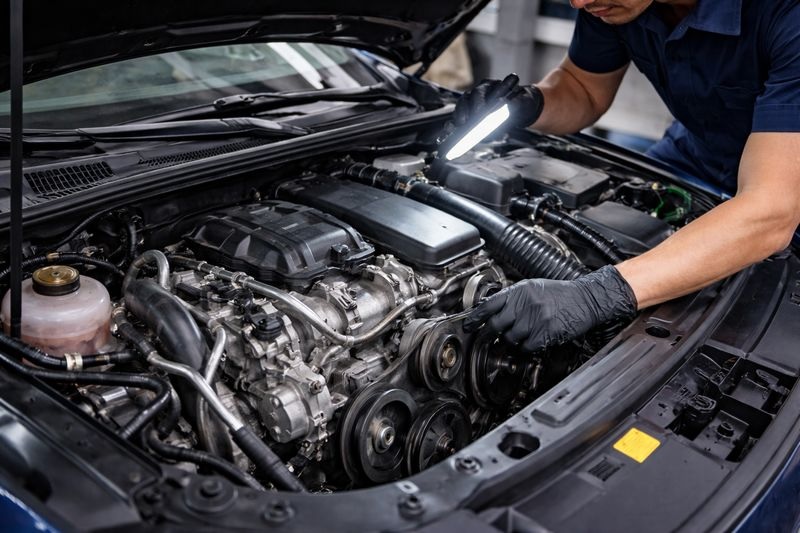
Engine bay for leaks, corrosion, or worn belts
-
Tires for uneven wear
-
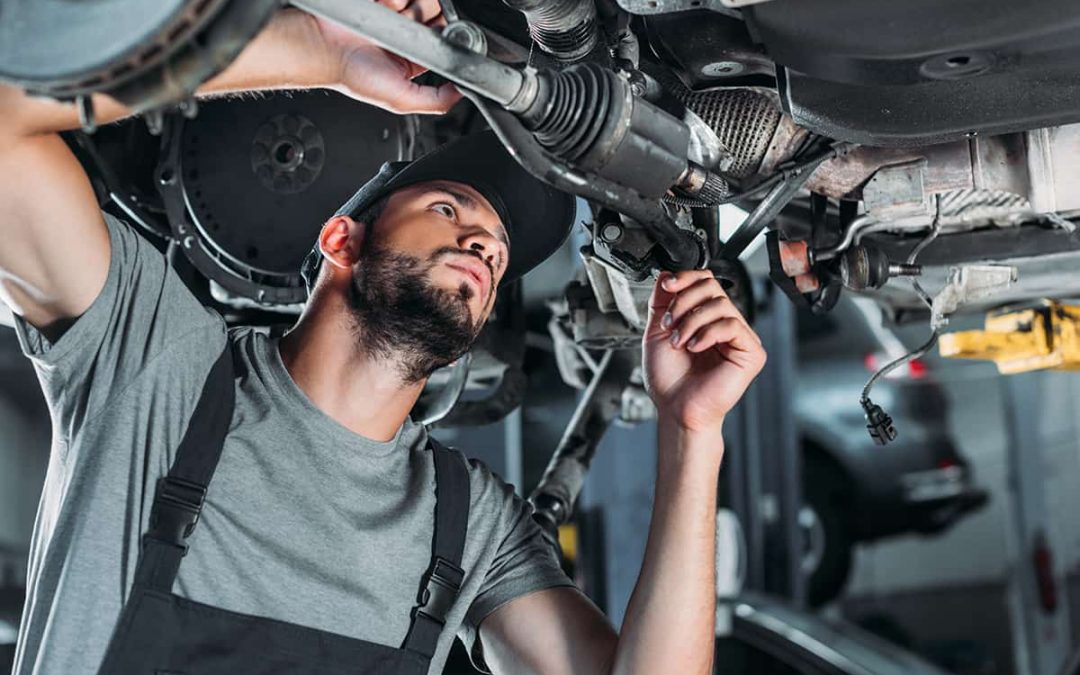
Brakes, suspension, and exhaust condition
-
Interior electronics, lights, and controls
For added peace of mind, a pre-purchase inspection by a qualified mechanic is a smart investment.
Take a Meaningful Test Drive
A short spin around the block isn’t enough. The test drive should mimic real driving conditions.
During the drive, pay attention to:
-
Smoothness of acceleration and braking
-
Steering response and alignment
-
Unusual noises, vibrations, or warning lights
Trust your instincts—discomfort behind the wheel often grows with time.
Don’t Skip Negotiation
Used car prices are rarely fixed. Negotiation is expected and can save you significant money.
Effective negotiation tips:
-
Use inspection findings as leverage
-
Compare similar listings to justify your offer
-
Be prepared to walk away if terms don’t improve
Patience often leads to better deals.
Review Paperwork Carefully Before Signing
Rushing paperwork is a common mistake. Every document matters.
Ensure:
-
The VIN matches all records
-
The title is clear and transferable
-
Warranty terms (if any) are clearly written
Taking time here protects you from legal and financial issues later.
Final Thoughts
For first-time buyers, purchasing a used car is as much about preparation as it is about the vehicle itself. By researching thoroughly, inspecting carefully, and staying disciplined with your budget, you significantly increase your chances of making a smart, stress-free purchase.
Frequently Asked Questions
1. How many miles are too many when buying a used car?
There’s no fixed number, but mileage should be evaluated alongside maintenance history and overall condition rather than in isolation.
2. Is buying from a private seller riskier than from a dealer?
Private sales can offer lower prices, but they often come with fewer protections, making inspections and documentation even more important.
3. Should I prioritize age or mileage?
Both matter, but consistent maintenance and how the car was driven often outweigh age or mileage alone.
4. Can I finance a used car as a first-time buyer?
Yes, though interest rates may be higher. Comparing lenders can help you secure better terms.
5. Are extended warranties worth it on used cars?
They can be useful for certain vehicles, but always compare coverage limits and exclusions before purchasing.
6. What documents should I receive after buying a used car?
You should receive the signed title, bill of sale, and any maintenance or warranty records provided by the seller.
7. How long should I spend searching before buying?
Taking a few weeks to compare options and inspect multiple vehicles often leads to better decisions than rushing into a purchase.