Beyond the Showroom: A Discerning Guide to the Used Car Experience

Introduction
For the selective motorist, a used car is not just a practical compromise but a deliberate, savvy choice. Navigating the pre-owned market rewards those who dare to seek quality and value beyond the glitter of the showroom. This article invites you to explore the subtle dimensions of buying a used car—a process where information, attention to detail, and refined judgment intertwine to yield not just a new ride, but genuine satisfaction.
Why Consider a Used Car?
Timeless Value and Pragmatic Luxury
-
Financial Wisdom: Pre-owned vehicles are typically shielded from the steepest depreciation, empowering buyers to acquire finer models for less.
-
Wider Selection: Budgets stretch further, often granting access to higher trims or brands that would be unattainable when new.
-
Lower Insurance: Older vehicles frequently command more modest premiums1.
-
Sustainable Choice: Extending a vehicle’s lifespan is an eco-conscious alternative, reducing the demand for new manufacturing and resource consumption.
The Art of Preparation
Self-Assessment: Define Your True Needs
Begin with a clear inventory of your requirements:
-
Purpose of Vehicle: Is it for city commuting, long highway journeys, or spirited weekend drives?
-
Passenger and Cargo Needs: Regularly transporting family, carrying gear, or primarily solo travel?
-
Fuel Economy vs. Performance: Where on the spectrum do your preferences lie?
Research: Knowledge as Your Compass
-
Study Makers and Models: Investigate reliability records, known issues, and owner testimonials1.
-
Track Market Values: Use online platforms to gauge price trends and fair offers.
-
Shortlist Candidates: Develop a focused list before engaging with sellers.
The Search: Where to Begin
Choosing Your Marketplace
-
Certified Dealerships: Offer peace of mind with rigorous inspections and warranties, often under Certified Pre-Owned (CPO) programs.
-
Private Sellers: Potentially lower prices, but demand greater vigilance and thorough checks2.
-
Online Platforms: Enable quick comparisons, but always verify the seller’s credibility before proceeding.
Inspecting with an Expert Eye
Exterior Examination: Reading the Body’s Story
Walk around the car and scrutinize:
-
Body Panels: Look for dents, rust spots, paint mismatches—these hint at past accidents or repairs3.
-
Windows and Lights: Ensure all are intact and functional.
-
Tires: Uneven wear may signal alignment or suspension issues.
Interior Scrutiny: Comfort and Functionality
-
Upholstery: Check for rips, stains, and odd odors that might indicate water damage.
-
Dashboard: Confirm every gauge, light, and button responds as intended.
-
Air Conditioning & Sound System: Test thoroughly—costly to repair if neglected3.
Under the Hood: Mechanical Assurance
-
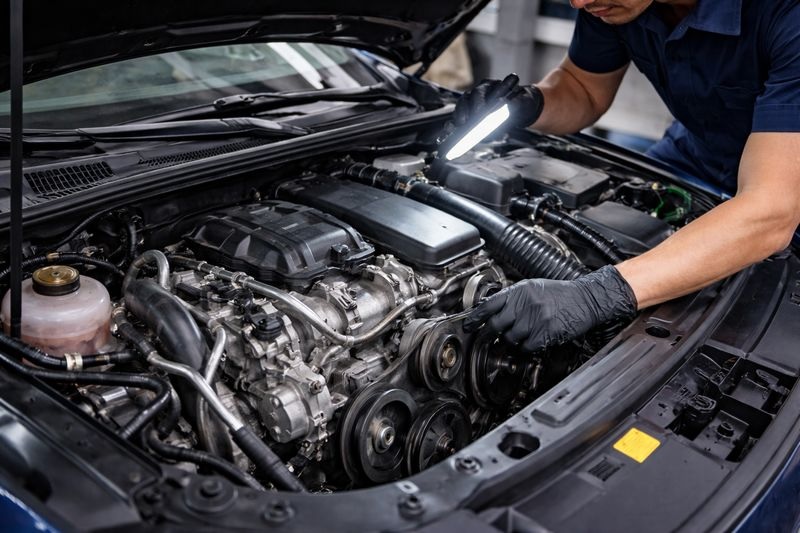
Engine Bay: Absence of leaks, excessive dust, and corrosion signals responsible maintenance.
-
Belts and Hoses: Should appear supple, without cracks or visible wear.
-
Battery Condition: Free from corrosion and solidly secured3.
-
Read Diagnostics: Insist on a scan for trouble codes; modern vehicles often hide issues beyond what eyes can detect4.
The Crucial Test Drive
-
Cold Start: Listen for rough idling or delayed ignition.
-
On the Road: Assess steering precision, brake response, and gearbox smoothness.
-
Varied Surfaces: Drive over bumps and at highway speed to reveal noises or vibrations.
-
Parking: Test reverse and parking maneuvers for visibility and ease5.
The Independent Inspection
Even if satisfied, secure an unbiased mechanic’s inspection. A modest investment can expose hidden faults invisible to the untrained eye—a protective measure that may save thousands45.
Dissecting Documentation
The Paper Trail
-
Title Status: Ensure the car has a clean title—no salvage, flood, or unresolved liens.
-
Service Records: A full, organized history suggests diligent ownership1.
-
VIN Verification: Cross-check for accident history, open recalls, and mileage consistency via reputable databases4.
Ownership Transfer
Know your region’s process for legally transferring ownership and registering the car. Secure all necessary forms, including the bill of sale, payment proofs, and, if relevant, release of liability6.
Navigating Price and Negotiation
Informed Bargaining
-
Market Comparisons: Reference offers on similar vehicles to set realistic expectations.
-
Leverage Flaws: Use inspection findings to negotiate repairs or reduce the price.
-
Be Willing to Walk: Confidence in departing if terms aren’t favorable often elicits the best counteroffers1.
Understanding Warranties and Return Policies
-
Dealer Coverage: Some dealers offer limited warranties or satisfaction guarantees, particularly for CPO vehicles7.
-
“As Is” Sales: Many private and non-certified dealer sales provide no protection—ensure you accept this risk knowingly6.
-
Return Policies: Rare in the used market except for special cases, so verify in writing before purchase if any promise to return is given786.
Immediate Steps After Purchase
Essential Maintenance
-
Fluid Changes and Filters
-
Brake and Tire Assessment
-
Battery and Lighting Check
-
Replace Wiper Blades, Replenish Emergency Kit3
Personal Touches
-
Detail Cleaning: A fresh start enhances ownership pride.
-
Document Organization: Retain all records for future maintenance and resale.
Conclusion
Purchasing a used car is less a gamble than a measured pursuit, offering the discriminating buyer an opportunity to blend economy with discernment. By approaching the process with patience, information, and the confidence to probe beneath the surface, you transform the act of acquisition into a journey of empowerment. The open road awaits; may your new-to-you car carry you forward not just in miles, but in fulfillment and peace of mind.