How to Choose a Used Ford Everest for Family Life and Touring
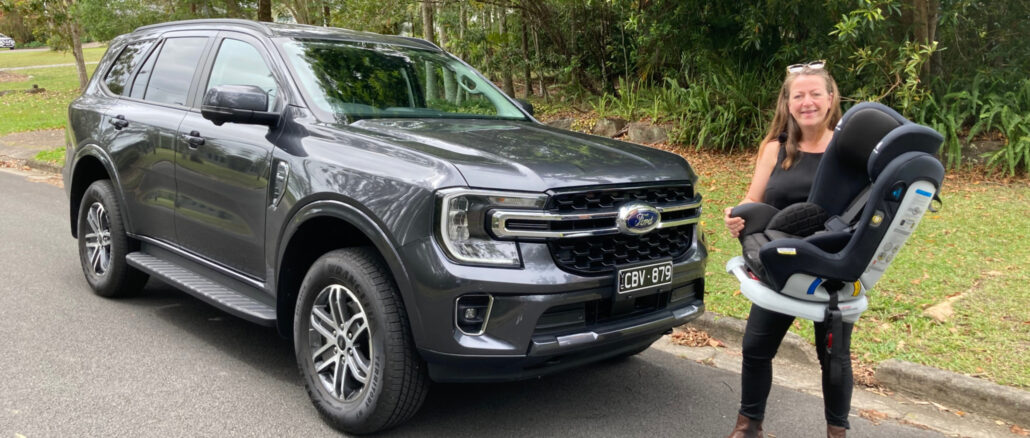
A used Ford Everest can handle school runs and long holidays, but only when that particular SUV fits the family on paper and in person. Paint and badge mean little compared with service records and how well it suits everyday use.
Start with paperwork, not paint
Service history does more work than shine. Ask for log-book stamps that line up with the schedule in the owner’s manual.
Diesel care depends on clean oil and timely filter changes. Gaps or vague receipts are a warning sign. Transmission service also matters on a heavy SUV that may have towed. If the seller cannot document the work, ask an inspector what can be assessed and what uncertainty remains. A high odometer reading does not automatically rule out a vehicle, but its use and maintenance history call for careful assessment.
Check the build plate and spec record for that VIN. Confirm engine and drivetrain from paperwork rather than ads. Getting actual quotes on insurance and scheduled service helps set a realistic budget. Price a set of tires too, as sizes and brands vary.
Match trim and drivetrain to real use
Used listings may include grades such as Trend and Sport, depending on model year and available stock. Platinum versions also appear with different equipment and prices. Don’t treat any badge as a promise about equipment. Two SUVs with the same badge from different model years can differ in safety aids and screens. Model year counts as much as trim, so read the spec sheet for that exact SUV rather than relying on memory or photos to identify its safety equipment.
Don’t assume drivetrain from badge either. Some examples were built as rear-drive and some with four-wheel drive. Check the build record and compliance plate. Length and turning circle matter for garages and school lots.
Some used examples have a smaller diesel and some have a larger V6 diesel. The smaller unit isn’t automatically enough for regular tow work. Suitability depends on towed weight and terrain, along with how often it tows and in what heat. Look up the safety rating for that exact build year instead of guessing that every year scored the same.
Test seats and cargo like you own it
Bring the gear that actually rides along.
Fit child seats in the positions allowed by the owner’s manual and check belt access with them in place. Climb into the third row and sit there for more than a minute. Knee room and headroom tell the truth fast. There’s no point in extra seats if kids dread them.
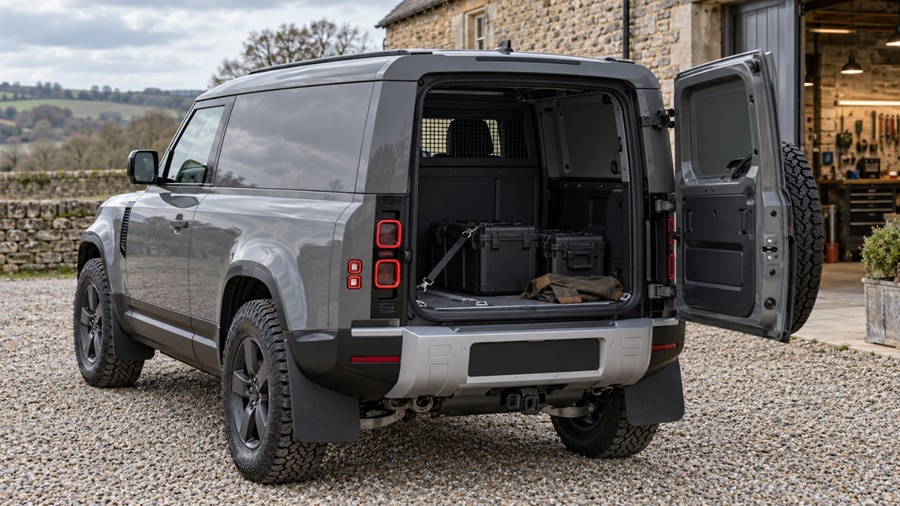
Try the cargo area with the third row upright. Load a folded stroller and a bag for groceries to see what remains. Then fold the third row and load for a holiday trip. Read the owner’s manual and the placard for roof-rail rated load before you plan a pod or awning.
Once you have a short list of builds with clean records, compare live dealer stock through ford everest for sale perth to see what mix of age and equipment is actually on lots right now.
Check garage depth and parking space width. It’s dull work, but it prevents daily regret.
Treat tow and load ratings as limits for that SUV
Brochure numbers don’t tow. Find the tow rating and payload allowance for that exact SUV in its owner’s manual and applicable vehicle labels. Check the tow-ball limit in the relevant vehicle documentation too. Ratings shift with engine and drivetrain, so don’t borrow figures from another ad.
Payload has to cover people and luggage at once. Tongue weight counts too.
Look closely at tow hardware. Note the tow bar rating stamp and plug condition. Check whether a brake controller is fitted and works. Aftermarket gear such as bull bars, roof racks and drawer systems adds weight and reduces the remaining load allowance. It can add value when it’s well done and documented, but it can also hide poor fit, so ask for receipts.
Get real numbers for ownership costs before you sign. Ask insurers for a quote on that VIN and ask a shop for service prices and tire prices. A large SUV can wear tires and brakes fast when it tows. Those quotes belong in the budget next to fuel.
Get an inspection that suits a tourer
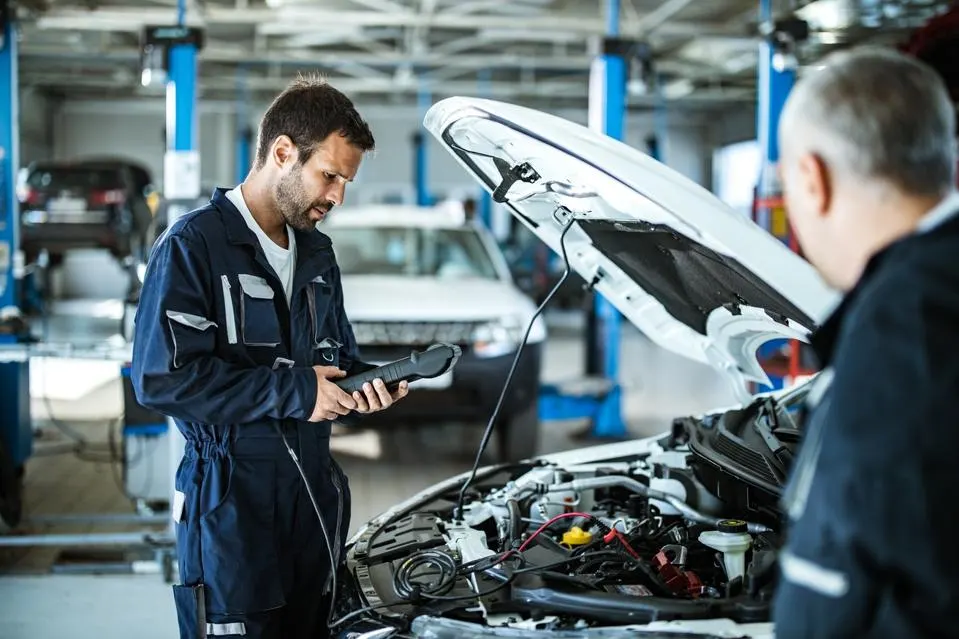
Book a pre-purchase check with a shop that knows large diesels. Ask for attention to transmission shift quality and to the exhaust filter system. Suspension and steering wear also show up fast on heavy tourers. Leaks, clunks and uneven tire wear need assessment, but do not establish a particular towing or load history on their own. A road test alone won’t catch all of it.
Four-wheel drive needs care during checks. Any test on dry pavement needs to suit the system and mode specified in the owner’s manual. Have a qualified inspector assess it under the conditions set out there. The same goes for the transfer case and rear differential. A used tourer can hide damage there that stays quiet in town.
Compare deals on equal terms. A private price and a dealer price may include different charges and protections. Warranty products are not automatically included or necessary, so separate their cost from required transfer charges and ask how any remaining manufacturer cover applies. Ask what is actually covered and for how long.
The right Everest is the one whose records and rated limits line up with family life as it is now. Touring gets far easier when the groundwork is done.