Exploring the Future of Vehicles: Trends, Technology, and Transformation
The automotive industry has always been at the forefront of innovation, with new technologies and design ideas constantly reshaping the way we think about transportation. As we move forward, the vehicle sector continues to evolve, embracing cutting-edge advancements that aim to improve safety, sustainability, and user experience. This blog post will explore some of the most exciting trends and technological developments in the world of vehicles, examining their impact on consumers, manufacturers, and the environment.
1. Electric Vehicles (EVs): A Clean and Sustainable Future
Electric vehicles (EVs) have become a key player in the transformation of the vehicle industry. As concerns about environmental sustainability and carbon emissions grow, EVs offer a cleaner alternative to traditional internal combustion engine (ICE) vehicles.
The core advantage of electric cars is their zero-emissions design, which helps reduce air pollution and mitigate the effects of climate change. The global push for renewable energy sources further strengthens the appeal of EVs, as they can be powered by solar or wind energy, offering a truly sustainable solution for transportation. Additionally, governments worldwide are incentivizing the purchase of electric cars with tax rebates and grants, further accelerating the adoption of EVs.
Technological improvements in battery technology, such as increased energy density and faster charging times, have also made EVs more practical and appealing to consumers. Major automakers, such as Tesla, Nissan, and General Motors, continue to lead the charge in producing electric vehicles that cater to a wide range of consumer needs, from affordable city cars to high-performance models.
2. Hybrid Vehicles: The Best of Both Worlds
For consumers who may not yet be ready to fully transition to electric vehicles, hybrid vehicles present an appealing middle ground. Hybrid cars combine both an internal combustion engine and an electric motor, providing the benefits of both power sources.
One of the primary advantages of hybrid vehicles is improved fuel efficiency. By utilizing both gasoline and electric power, hybrid vehicles can achieve better fuel economy compared to traditional ICE vehicles, which helps lower fuel costs and reduce environmental impact. Additionally, hybrids tend to have a longer range than fully electric cars, making them a practical option for long-distance drivers.
While hybrids don’t entirely eliminate carbon emissions, they significantly reduce them, making them a more eco-friendly choice for many consumers. As automakers continue to refine hybrid technology, we can expect to see even more efficient and accessible hybrid models on the market.
3. Autonomous Vehicles: Changing the Way We Drive
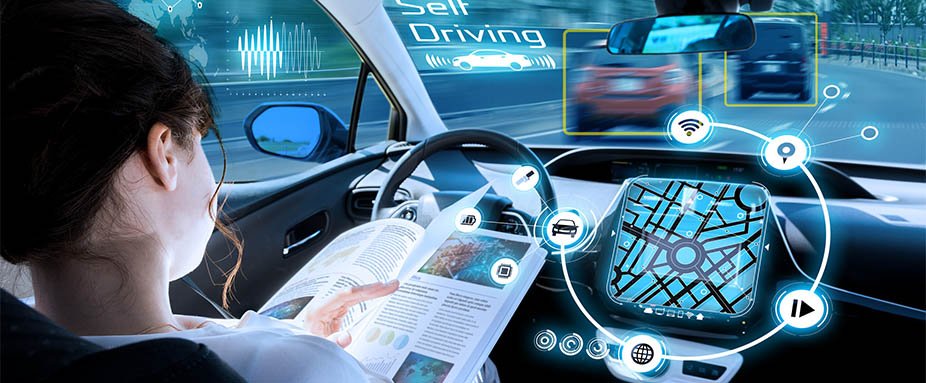
Autonomous or self-driving vehicles are one of the most groundbreaking developments in the vehicle sector. Using advanced sensors, cameras, and artificial intelligence (AI), these vehicles are capable of navigating and controlling themselves without the need for human intervention.
The potential benefits of autonomous vehicles are immense. One of the primary advantages is increased safety. With human error being a leading cause of traffic accidents, autonomous vehicles aim to reduce accidents by removing the possibility of mistakes such as distracted driving or impaired driving. These vehicles are designed to react more quickly than human drivers, adapting to traffic conditions and road hazards in real-time.
Additionally, autonomous vehicles have the potential to transform mobility for elderly and disabled individuals who may not be able to drive. By offering a fully self-driving solution, autonomous vehicles could help create a more inclusive transportation system.
While fully autonomous vehicles are still in development, several manufacturers are already introducing semi-autonomous features, such as adaptive cruise control, lane-keeping assist, and automatic parking. These systems provide valuable assistance to drivers, making driving safer and more convenient.
4. Connected Vehicles: The Future of Smart Transportation
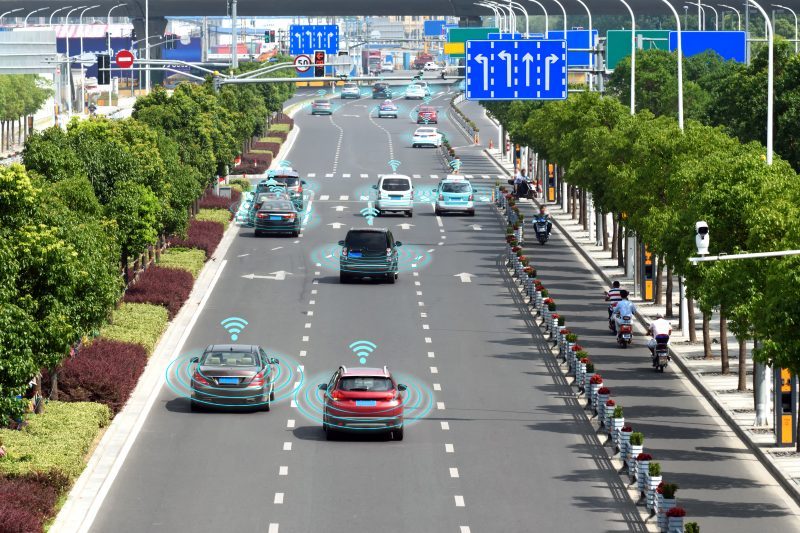
The rise of the Internet of Things (IoT) has brought about a new wave of connected vehicles. These vehicles are equipped with internet connectivity, allowing them to communicate with other devices and infrastructure, such as smartphones, traffic lights, and even other vehicles on the road.
Connected cars offer a wide range of benefits. For example, they can provide real-time traffic updates, weather alerts, and maintenance reminders to enhance the driving experience. These cars can also enable remote control of certain functions, such as adjusting climate settings or starting the engine, all through a mobile app.
Additionally, connected vehicles can improve safety by alerting drivers about potential hazards, such as nearby obstacles, sudden braking, or unsafe lane changes. Vehicle-to-vehicle (V2V) communication, a critical aspect of connected vehicles, can help prevent accidents by enabling cars to share information about their speed and location.
As connected technology continues to advance, vehicles will become an integral part of the smart city ecosystem, working in tandem with other infrastructure to optimize traffic flow and reduce congestion.
5. Sustainable Materials and Manufacturing
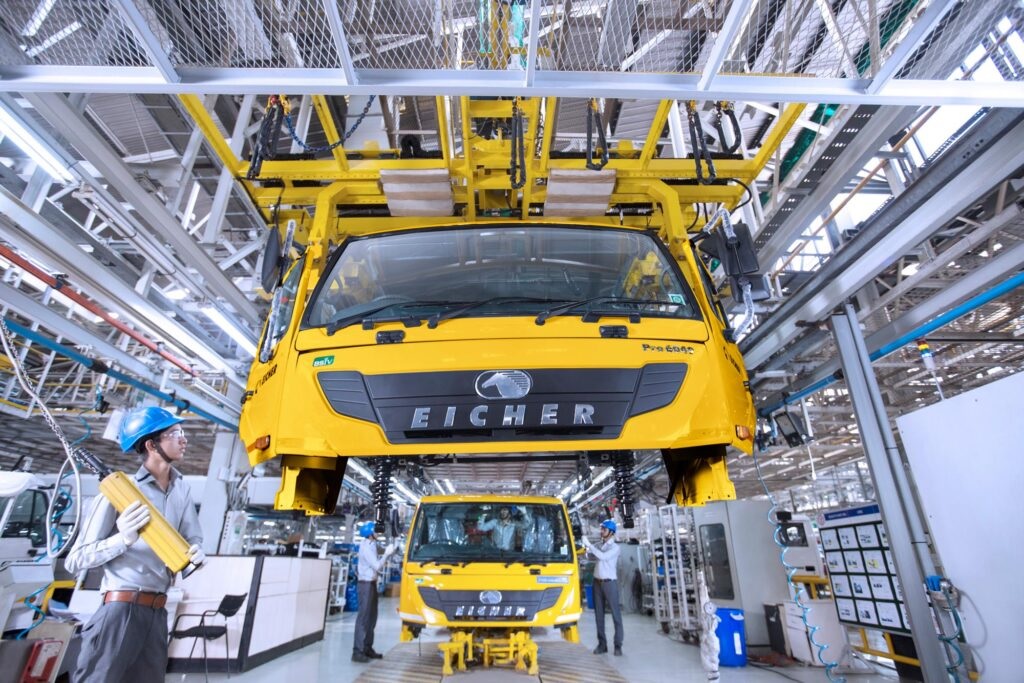
As environmental concerns grow, the automotive industry is also focusing on sustainability in vehicle production. Manufacturers are exploring alternative materials that are more eco-friendly and reduce the carbon footprint of the manufacturing process.
Lightweight materials, such as aluminum and carbon fiber, are becoming increasingly common in vehicle design. These materials not only improve fuel efficiency by reducing weight but also enhance vehicle performance. Additionally, automakers are looking into sustainable alternatives to traditional plastics, such as bioplastics derived from renewable resources.
Recycling and reusing materials also play a significant role in making vehicle production more sustainable. Many manufacturers are exploring ways to recycle old vehicles, reducing the need for raw materials and minimizing waste. Some companies are even developing closed-loop systems in which materials from end-of-life vehicles are reused to create new vehicles, promoting a circular economy.
6. Advanced Safety Features: Protecting Drivers and Passengers
Vehicle safety is an area that continues to see significant advancements. Modern vehicles are equipped with a wide range of safety features designed to protect both drivers and passengers.
Adaptive cruise control, automatic emergency braking, lane departure warning, and blind spot detection are just a few examples of the advanced driver-assistance systems (ADAS) now available in many cars. These features work together to enhance the overall safety of the vehicle by alerting drivers to potential dangers and, in some cases, taking corrective action when necessary.
In addition to these active safety features, vehicles are also being designed with passive safety elements, such as crumple zones, airbags, and reinforced structures, which help protect occupants in the event of a collision.
7. The Future of Vehicle Design
Vehicle design is also undergoing a transformation, with automakers embracing more innovative and consumer-centric approaches. The focus is shifting toward creating vehicles that are not only functional but also comfortable, stylish, and tailored to individual preferences.
One example of this is the growing popularity of customizable vehicles. Many manufacturers now offer options that allow consumers to personalize their vehicles, from color choices to interior features, making the ownership experience more unique and satisfying. Additionally, with the rise of electric and autonomous vehicles, manufacturers are rethinking traditional car designs to maximize interior space and comfort.
As consumer preferences continue to evolve, vehicle design will play a crucial role in shaping the automotive landscape, offering an increasingly diverse range of choices for drivers around the world.
8. Challenges Facing the Vehicle Industry
Despite the many advancements, the vehicle industry faces several challenges. One of the biggest issues is the transition to electric vehicles and the infrastructure required to support them, such as charging stations and battery production. The high cost of electric vehicles, particularly for consumers who may not qualify for government incentives, remains another barrier to widespread adoption.
In addition, regulatory pressures are increasing, as governments impose stricter safety and environmental standards. Automakers must navigate these regulations while balancing the need for innovation and maintaining profitability.
The ongoing global supply chain disruptions, particularly in semiconductor manufacturing, have also affected vehicle production and led to delays in the delivery of new models. As the industry recovers from these challenges, manufacturers must adapt quickly to maintain competitiveness and meet consumer demand.
Conclusion
The future of vehicles is bright, with numerous technological advancements transforming the way we drive, interact with, and experience transportation. From electric vehicles and autonomous driving to connected cars and sustainable manufacturing, the automotive industry is undergoing a profound transformation. As these innovations continue to unfold, the vehicles of tomorrow will undoubtedly offer improved safety, efficiency, and sustainability, making transportation more convenient and environmentally friendly for everyone.