The Future of the Automotive Industry: Trends, Challenges, and Innovations

The automotive industry is one of the most dynamic sectors globally, continuously evolving with advances in technology, shifts in consumer preferences, and environmental concerns. The landscape of this industry is undergoing rapid transformations that promise to shape the future of transportation. In this blog post, we will explore the latest trends, challenges, and innovations that are defining the automotive world, and how companies are adapting to these changes.
1. Electric Vehicles (EVs) and Sustainable Mobility
One of the most significant shifts in the automotive industry is the rise of electric vehicles (EVs). With growing concerns about climate change and the increasing need for sustainable energy solutions, EVs have gained substantial popularity. The shift to electric-powered vehicles is not just about reducing carbon emissions but also about creating a more energy-efficient transportation system.
Governments worldwide are introducing stricter emissions standards, encouraging automakers to invest heavily in electric technology. Moreover, the infrastructure to support EVs, such as charging stations, is expanding, making EVs more accessible to consumers. The development of longer-lasting batteries and faster charging technologies has further enhanced the appeal of EVs, contributing to the ongoing transition towards greener mobility solutions.
Automakers are embracing this transition by introducing new models that cater to a wide range of consumer needs, from compact cars to luxury electric sedans and SUVs. Notable companies, including Tesla, Nissan, and General Motors, are leading the charge, but traditional brands like Ford, Volkswagen, and BMW are also entering the EV market with innovative offerings.
2. Autonomous Vehicles: The Road Ahead
Autonomous or self-driving vehicles represent another major frontier in the automotive industry. The development of fully autonomous vehicles has the potential to revolutionize transportation by reducing accidents caused by human error, improving traffic efficiency, and enhancing mobility for individuals with disabilities or the elderly.
Companies such as Waymo, Uber, and Tesla are at the forefront of this technology. They are developing and testing advanced driver-assistance systems (ADAS) that use a combination of sensors, cameras, and artificial intelligence (AI) to navigate roads without human intervention. These systems aim to make driving safer and more convenient.
However, challenges remain. Legal and regulatory hurdles, as well as concerns about safety and ethics, must be addressed before autonomous vehicles become commonplace. While fully autonomous vehicles are still a few years away, semi-autonomous features, such as lane-keeping assist and adaptive cruise control, are already available in many modern cars.
3. Connected Cars and the Internet of Things (IoT)
Connected cars are becoming a standard feature in the automotive industry. These vehicles use the Internet of Things (IoT) to provide real-time connectivity, enabling drivers to interact with their cars and other devices. Through in-car Wi-Fi, smartphones, and vehicle-to-vehicle (V2V) communication, connected cars can provide numerous benefits, from traffic alerts to enhanced entertainment options.
The integration of smart technology into vehicles allows for better navigation, maintenance reminders, and even remote control of certain functions like starting the engine or adjusting climate settings. Additionally, data generated by connected cars can help automakers enhance vehicle performance, improve safety features, and offer personalized services to customers.
As connected technology continues to evolve, it is expected that cars will become an integral part of smart cities, enabling vehicles to communicate with traffic lights, road signs, and other infrastructure to optimize traffic flow and reduce congestion.
4. Alternative Fuel Sources: Hydrogen and Beyond
While electric vehicles dominate discussions around sustainable mobility, other alternative fuel sources are gaining attention. Hydrogen fuel cells, for example, have the potential to offer a clean and efficient solution for powering vehicles, especially in sectors such as heavy-duty transportation and long-distance travel.
Hydrogen-powered vehicles produce zero emissions, with water vapor being the only byproduct. However, challenges such as hydrogen production, storage, and distribution infrastructure need to be addressed before hydrogen vehicles can become mainstream. Companies like Toyota and Hyundai are leading the way in hydrogen fuel cell technology, and several governments are investing in hydrogen infrastructure to support this alternative fuel source.
Other alternative fuels, such as biofuels and natural gas, are also being explored as viable options to reduce reliance on traditional fossil fuels. These fuels have lower carbon emissions and can be used in existing internal combustion engines, offering a transitional solution as the automotive industry moves towards more sustainable options.
5. The Role of Artificial Intelligence and Machine Learning
Artificial intelligence (AI) and machine learning (ML) are playing an increasingly important role in shaping the automotive industry. These technologies are being used in various aspects of vehicle design, manufacturing, and customer experience.
AI is enabling automakers to develop smarter vehicles with advanced driver-assistance systems (ADAS) that can make real-time decisions based on data from sensors and cameras. Machine learning algorithms allow cars to adapt to driving conditions, improving safety, comfort, and performance.
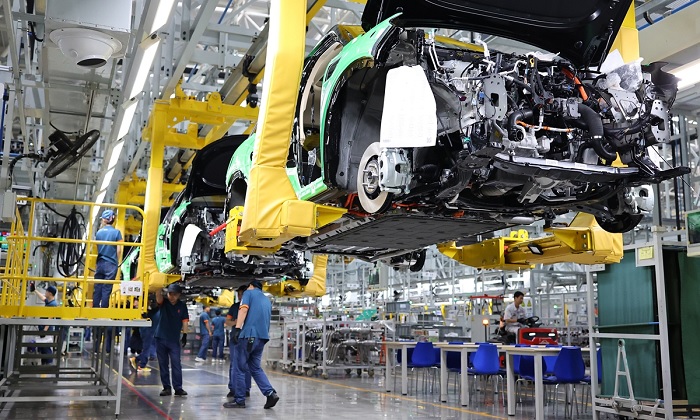
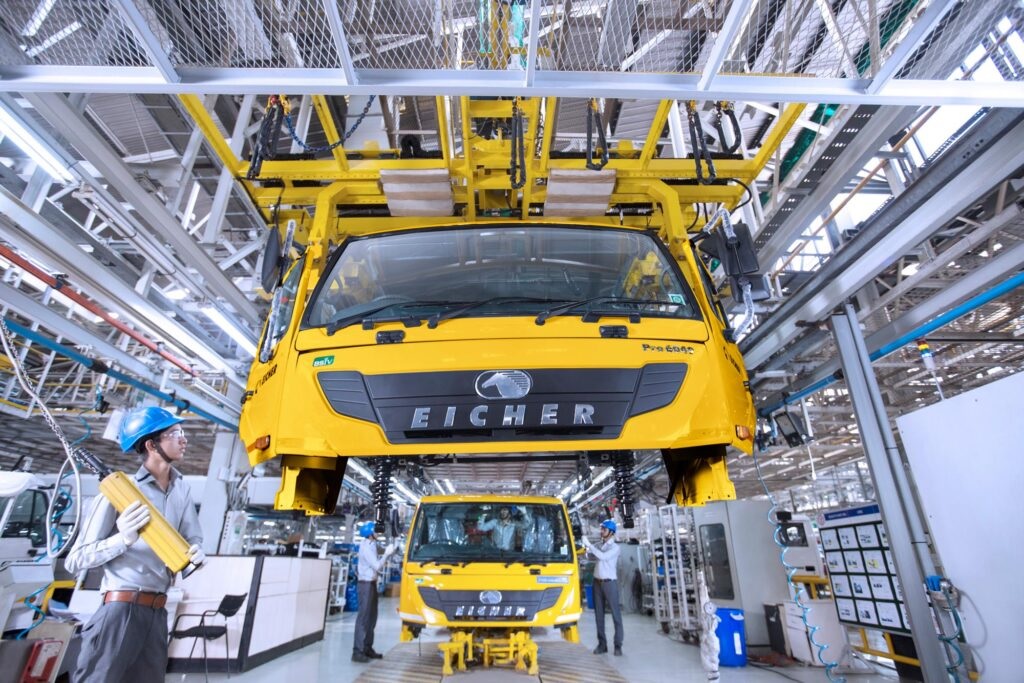
AI is also transforming manufacturing processes, making them more efficient and cost-effective. By automating tasks such as quality control, supply chain management, and predictive maintenance, AI is helping automakers reduce waste and enhance productivity.
6. The Rise of Mobility-as-a-Service (MaaS)
As urbanization continues to grow, traditional car ownership models are being challenged. Mobility-as-a-Service (MaaS) is gaining popularity as an alternative transportation solution. MaaS platforms allow users to plan, book, and pay for various forms of transportation, such as public transit, ride-sharing, and car rentals, all through a single app.
This shift towards shared mobility is driven by the desire for convenience, cost-effectiveness, and sustainability. Car-sharing services like Zipcar and ride-hailing platforms like Uber and Lyft are part of this trend, offering consumers the flexibility to access transportation on-demand without the responsibilities of ownership.
MaaS has the potential to reduce traffic congestion, lower carbon emissions, and provide access to transportation in underserved areas. As cities become more congested, MaaS is seen as a key solution to improve urban mobility.
7. Challenges Facing the Automotive Industry
Despite the advancements, the automotive industry faces several challenges. One of the biggest concerns is the supply chain disruptions caused by factors such as the COVID-19 pandemic, semiconductor shortages, and geopolitical tensions. These disruptions have affected vehicle production and delayed the rollout of new models.
Moreover, the automotive industry must address environmental issues related to manufacturing processes and end-of-life vehicle disposal. Automakers are investing in sustainable materials and circular economy practices to reduce their environmental footprint.
Additionally, the industry must navigate the complex regulatory landscape, with governments introducing stricter safety and environmental standards. As the industry moves toward electrification, the challenge of scaling up battery production and ensuring a sustainable supply of raw materials for batteries will continue to be a critical concern.
Conclusion
The automotive industry is evolving at a remarkable pace, driven by technological advancements, shifting consumer preferences, and environmental concerns. From electric vehicles to autonomous driving and connected cars, the innovations shaping the future of mobility are transforming the way we live and move. However, the industry must overcome several challenges, including supply chain disruptions, environmental impacts, and regulatory hurdles, to realize the full potential of these advancements. As automakers continue to adapt to these changes, the future of transportation promises to be more sustainable, efficient, and connected than ever before.