Resetting the Airbag Light Yourself
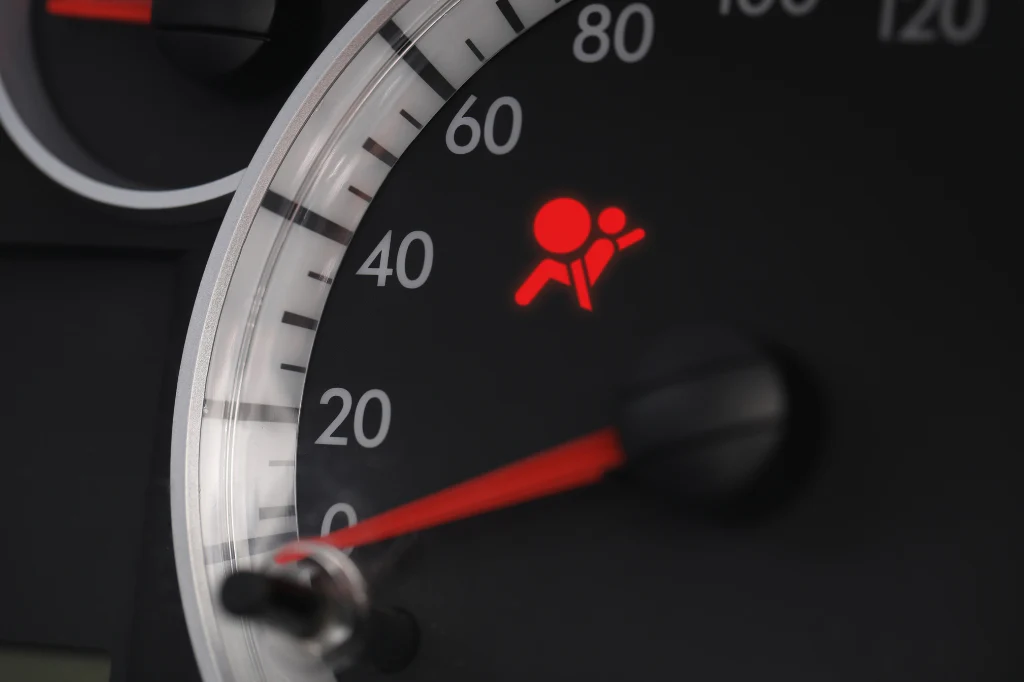
Few dashboard warnings cause as much concern as the airbag light. When it appears, most drivers immediately wonder whether their airbags would still deploy in an accident — and whether it’s safe to continue driving. The airbag, or SRS (Supplemental Restraint System) warning light, signals that something in the safety system isn’t working as intended. While some issues are simple and can be resolved at home, others require professional attention. Understanding when and how to reset the light properly can save both time and money, but it must be done safely.
The airbag light is triggered whenever the car’s control unit detects a fault in the restraint system. That system includes the airbags themselves, seatbelt pretensioners, sensors, and wiring. Even a minor issue, such as a temporary voltage drop, a loose connector under the seat, or a flat battery, can cause the light to appear. Once it’s on, it won’t disappear automatically — even if the underlying problem has gone — until the fault memory is cleared.
Before attempting to reset the airbag light, it’s essential to confirm what caused it in the first place. The only reliable way to do that is by using a diagnostic scanner capable of reading SRS fault codes. Many basic OBD-II tools only read engine data, so you’ll need one that specifically supports airbag diagnostics. By connecting the scanner to the car’s diagnostic port and running a system scan, you can see which component triggered the fault. Common issues include disconnected seatbelt plugs, broken clock springs in the steering wheel, or low system voltage.
If the scanner shows a historical or “stored” fault that no longer exists, it’s usually safe to clear the code. In many cases, simply reconnecting a loose cable or replacing a flat battery, then erasing the fault with a diagnostic tool, will make the light disappear. However, if the code reappears immediately after clearing, that indicates an active fault, and the issue must be repaired before resetting the system again. Ignoring a persistent airbag warning is never recommended — the system may not deploy correctly in an accident if a fault remains unresolved.
The actual reset process is straightforward once the fault has been identified and corrected. With the ignition on but the engine off, connect your scanner, access the SRS system, and choose the option to clear or erase codes. The light should go out after the system confirms that all monitored components are functioning properly. Some cars may require the ignition to be cycled or the engine started before the reset takes effect.
Although it’s tempting to use shortcut methods or online “tricks” to turn off the airbag light without a scanner — such as disconnecting the battery or using fuse resets — these rarely work on modern vehicles and can make things worse. Disconnecting the power may temporarily hide the fault, but as soon as the car runs another self-test, the light will return. More importantly, bypassing or tampering with the SRS system can disable airbags entirely, creating a serious safety risk.
For that reason, resetting the airbag light yourself should only be done after you’ve verified and fixed the actual cause of the warning. If you’re unsure, or if the fault points to a sensor or component inside the steering wheel or dashboard, it’s best to leave the job to a qualified technician. Airbag systems contain explosive devices that can deploy unexpectedly if handled incorrectly.
Still, for many minor or electrical faults, especially those caused by a weak battery or a temporary connection issue, a proper reset with the right diagnostic tool can be done safely at home. It’s a satisfying fix that can restore your dashboard to normal and give you peace of mind knowing that your car’s safety systems are back in full working order.
Ultimately, the key to resetting the airbag light isn’t just erasing the warning — it’s understanding why it came on in the first place. Treat it as a sign to investigate rather than an inconvenience to ignore, and your car will reward you with the safety it was designed to deliver.