Suspension Auto Parts That Improve Ride Comfort and Stability
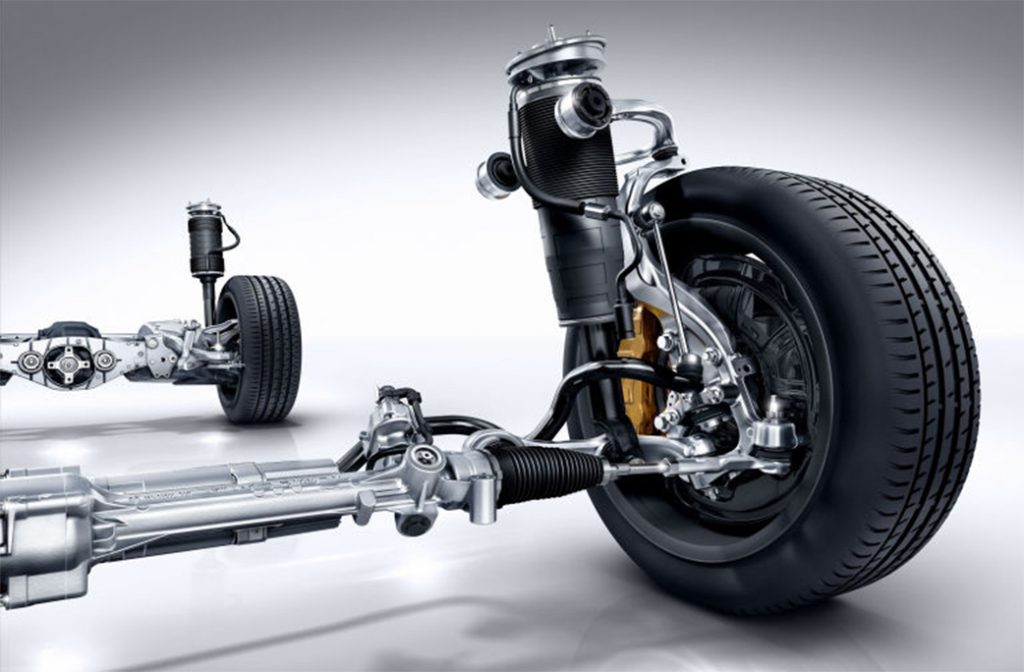
A vehicle’s suspension system does far more than keep the wheels attached to the body. It absorbs road shocks, maintains tire contact with the surface, and helps the car stay balanced during acceleration, braking, and cornering. Choosing the right suspension auto parts can dramatically enhance ride comfort, handling precision, and overall stability, whether you’re commuting daily or driving long highway stretches.
Why Suspension Components Matter
Suspension parts work together to manage vertical movement and control body motion. When even one component wears out, you may notice symptoms such as excessive bouncing, uneven tire wear, or poor steering response. Upgrading or maintaining these parts restores comfort and ensures predictable handling in varying road conditions.
Shock Absorbers: Controlling Road Impacts
Shock absorbers are among the most influential components for ride comfort. Their primary role is to dampen spring movement, preventing the vehicle from continuing to bounce after hitting a bump.
Benefits of quality shock absorbers include:
-
Reduced vibration and harshness on uneven roads
-
Improved tire contact with the road surface
-
Better braking stability and shorter stopping distances
Worn shocks often lead to a floaty ride and reduced control, making timely replacement essential.
Struts: Structural Support and Handling Precision
While similar to shocks, struts also provide structural support to the suspension system. They help maintain wheel alignment and contribute directly to steering stability.
Upgraded struts can deliver:
-
More consistent steering response
-
Better weight distribution during turns
-
Enhanced comfort on both smooth and rough roads
For vehicles designed with strut-based suspensions, replacing them as complete assemblies often yields the best results.
Springs: Supporting Vehicle Weight Smoothly
Springs carry the vehicle’s weight and absorb large impacts. The most common types include coil springs, leaf springs, and air springs.
How springs improve ride quality:
-
Coil springs provide a balance of comfort and control
-
Leaf springs support heavier loads while maintaining stability
-
Air springs adjust stiffness for changing road or load conditions
Healthy springs prevent sagging and ensure the suspension operates within its intended range.
Sway Bars: Reducing Body Roll
Also known as anti-roll bars, sway bars connect the left and right sides of the suspension to limit body roll during cornering.
Key advantages include:
-
Flatter cornering with less vehicle lean
-
Increased driver confidence at higher speeds
-
Improved stability during sudden maneuvers
A properly sized sway bar enhances control without making the ride overly stiff.
Control Arms and Bushings: Maintaining Alignment and Comfort
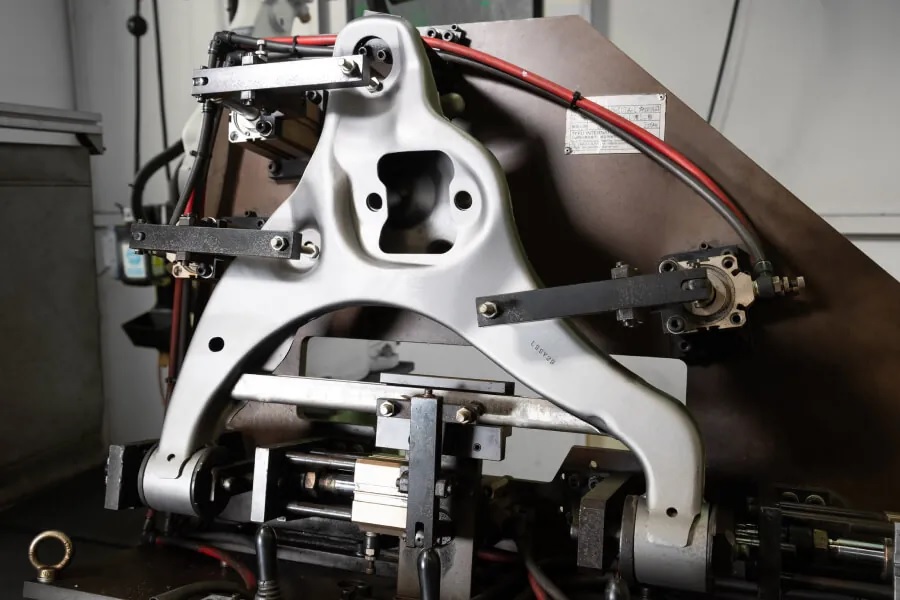
Control arms connect the wheels to the chassis, while bushings isolate vibrations and allow controlled movement. Together, they play a crucial role in ride smoothness and steering accuracy.
Upgraded or well-maintained components offer:
-
Precise wheel alignment
-
Reduced road noise and vibration
-
Improved stability over bumps and uneven surfaces
Worn bushings often cause clunking noises and vague steering feel.
How the Right Combination Enhances Comfort and Stability
No single suspension part works alone. The best results come from a balanced system, where shocks, struts, springs, and stabilizing components complement one another. This harmony ensures a smoother ride while keeping the vehicle planted and responsive.
Conclusion
Investing in high-quality suspension auto parts is one of the most effective ways to improve both ride comfort and vehicle stability. Whether replacing worn components or upgrading for better performance, a well-tuned suspension transforms how your car feels on the road, delivering comfort without sacrificing control.
Frequently Asked Questions
1. How often should suspension components be inspected?
Most suspension parts should be inspected every 12,000–15,000 miles or during routine maintenance to catch wear early.
2. Can upgrading suspension parts improve fuel efficiency?
Indirectly, yes. Proper suspension alignment reduces rolling resistance and uneven tire wear, which can help maintain optimal fuel economy.
3. Are performance suspension parts comfortable for daily driving?
Many modern performance-oriented components are designed to balance comfort and handling, making them suitable for everyday use.
4. What are the signs of failing suspension parts?
Common signs include excessive bouncing, uneven tire wear, nose-diving during braking, and clunking noises over bumps.
5. Is it necessary to replace shocks and struts together?
While not always required, replacing them together often ensures balanced handling and prevents uneven wear on new components.
6. Do air suspension systems require more maintenance?
Air suspension systems can offer excellent comfort but may require more maintenance due to additional components like compressors and air lines.
7. Can suspension upgrades affect vehicle warranty?
It depends on the manufacturer and the type of upgrade. Using quality parts and professional installation helps minimize potential issues.