The Savvy Pursuit: Navigating the World of Used Cars with Finesse

Introduction
For many, a used car is more than a mere transaction—it’s an exercise in discernment, patience, and vision. The pre-owned vehicle market, brimming with opportunity and fraught with pitfalls, rewards those who approach the search with forethought and sophistication. In this guest post, we delve into the nuanced world of used cars, guiding you toward an informed, rewarding purchase while cultivating an appreciation for the journey itself.
The Allure of Pre-Owned: Why Choose Used?
Value without Sacrifice
Purchasing a used car often unlocks models and features that might be unattainable when shopping new. Depreciation, that relentless force reducing a car’s value, hits hardest within the first few years—allowing the prudent buyer to inherit substantial savings while sidestepping the sharpest drop in worth.
-
Greater choice within your budget: Stretched budgets grant access to higher trims, better safety technology, or even luxury brands.
-
Slower depreciation curve: Most used cars lose value at a subdued pace compared to their newer counterparts.
-
Lower insurance premiums: Insurers tend to quote more modest rates for older vehicles.
Eco-Conscious Driving
Buying used contributes to sustainability. Extending a vehicle’s lifecycle delays the environmental cost inherent in manufacturing new cars, making your purchase a modest but meaningful act of stewardship.
The Groundwork: Research and Reflection
Define Your Needs with Precision
A methodical approach begins with a bracing dose of self-awareness:
-
What is your actual usage pattern? Urban commutes, long-haul driving, or outdoor adventures all call for different criteria.
-
Number of passengers, cargo, and the importance of fuel economy should inform your shortlist.
-
Be clear about non-negotiables versus desirable extras.
Investigate Reputations and Reviews
Certain makes and models stand the test of time far better than others. Arm yourself with information:
-
Reliability ratings from trusted sources illuminate long-term durability trends.
-
Owner forums and consumer review platforms grant insight into maintenance concerns and real-world satisfaction.
The Search: Where to Find the Gems
Trusted Dealers vs. Private Sellers
Each avenue presents distinct advantages:
-
Reputable dealerships may offer certified pre-owned (CPO) vehicles—thoroughly inspected, warrantied, and often eligible for financing.
-
Private sales might yield better prices but demand greater vigilance on the buyer’s end.
-
Online marketplaces synthesize vast inventories for easy comparison, but always confirm legitimacy before meeting in person.
The Importance of Documentation
Whether shopping dealer or private party, prioritize a transparent transaction:
-
Demand the full service history.
-
Ensure the title is clear of liens and not branded ‘salvage.’
-
Check ownership and accident history through authoritative databases.
The Inspection: Seeing Beyond the Surface
The Power of Observation
Before falling for gleaming paintwork, dig deeper:
-
Examine for rust, mismatched paint, or uneven panel gaps.
-
Check tire tread and wear patterns—uneven wear may signal poor alignment or suspension issues.
-
Test all electronics: lights, windows, air conditioning, infotainment, and locks.
The Test Drive: Sensing the Unseen
Nothing replaces firsthand experience. As you drive:
-
Listen for odd noises: Clunks, rattles, and high-pitched whines are red flags.
-
Assess brake feel and steering responsiveness.
-
Try a variety of speeds and surfaces to unveil hidden issues.
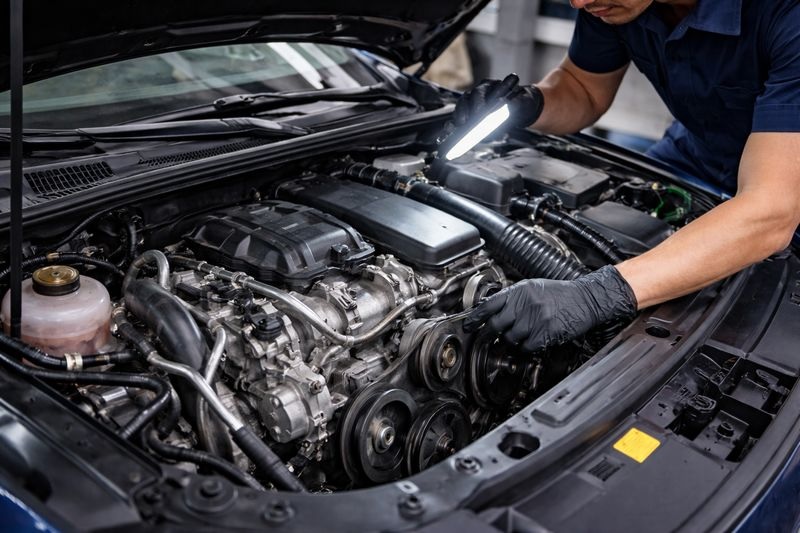
Bring along a trusted mechanic for a pre-purchase inspection. Their trained eye can reveal problems invisible to the layperson.
The Paper Trail: Ensuring a Smooth Transfer
Understanding Titles and Transfers
Each region governs ownership transfer differently. Typically, you will need:
-
A signed title, bill of sale, and possibly a release of liability.
-
All applicable taxes and registration fees must be settled promptly.
Warranty and Return Policies
While most used cars are sold “as is,” some come with dealer or manufacturer-backed limited warranties. Scrutinize the fine print, noting duration, coverage, and exclusions.
After the Purchase: Setting Yourself Up for Success
Immediate Maintenance
Fresh ownership is the perfect moment to reset the maintenance schedule:
-
Change engine oil, filters, and (if unknown) timing belt or water pump.
-
Inspect brakes, fluids, and tires for peace of mind.
-
Replace wiper blades and check all safety features.
Creating a Maintenance Log
Organize your receipts and service records from day one. Not only does this instill discipline, but it also enhances resale value for future transitions.
The Experience: Enjoying Your Investment with Integrity
Customization and Comfort
Personalize your car to reflect your taste. Whether subtle upgrades or practical accessories, thoughtful adjustments can dramatically enhance your sense of pride and comfort without unnecessary expense.
Responsible Ownership
Regular washes, mindful parking, and adherence to scheduled check-ups keep your investment looking sharp and running optimally. Treat your car—and fellow motorists—with respect, reinforcing the virtues that distinguish the consummate used car owner.
Conclusion
Venturing into the used car market is more than a practical transaction—it’s an exploration of value, trust, and aspiration. By seeking knowledge, practicing discernment, and acting methodically, you transform your purchase into a statement of wisdom and personal style. The open road awaits, ready to reward those who approach each mile with confidence, curiosity, and care.