The Hidden Artistry of Motion: Decoding the Modern World of Auto Parts
Introduction
Behind every memorable drive—whether through winding mountain roads, bustling cities, or tranquil highways—lies an orchestra of meticulously engineered auto parts. These components, often unnoticed except by the most discerning, are the unsung architects of safety, efficiency, and comfort. In an era where mobility and sustainability command the global spotlight, the realm of auto parts is undergoing rapid transformation, blending tradition and innovation into a seamless tapestry of reliability.
Foundations of Function: The Diversity of Auto Parts
The Core Systems — Power, Precision, and Protection
Auto parts can be categorized as the vital organs of any vehicle, each with its own role in ensuring harmony:
-
Powertrain Components: The engine, transmission, driveshafts, and axles serve as the muscle and sinew, translating fuel or electricity into motion12.
-
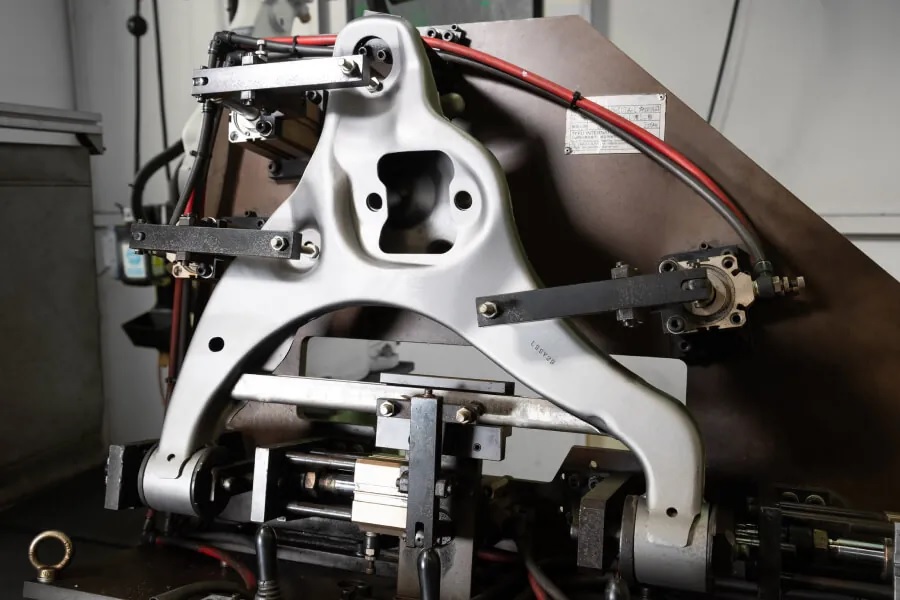
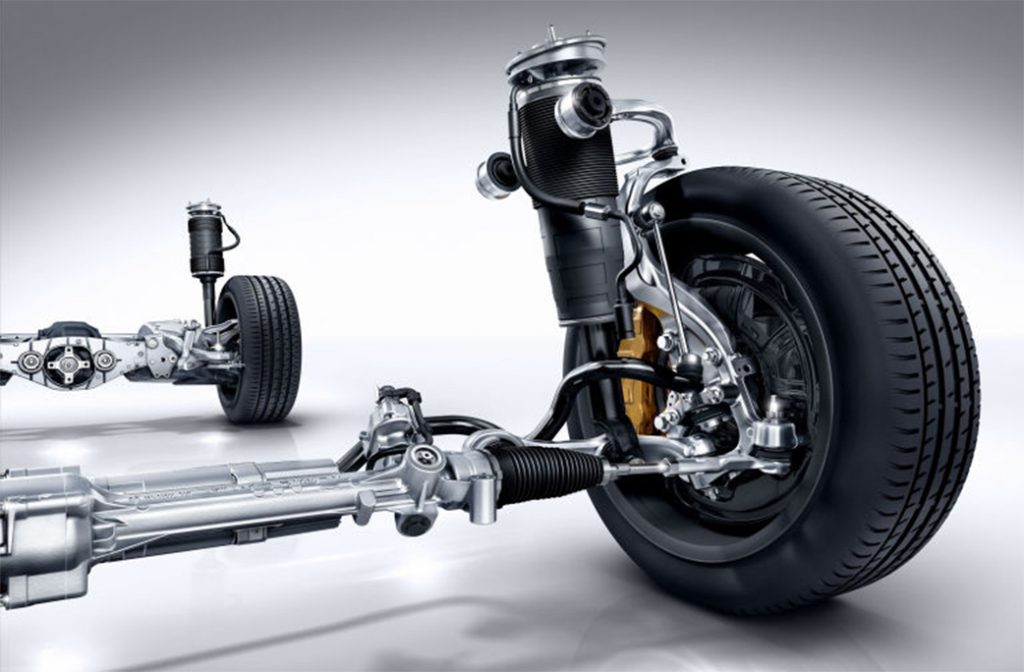
Chassis and Suspension: Frames, shock absorbers, control arms, and bushings provide structure and absorb the dynamic forces of the road, smoothing every ride.
-
Steering and Braking Mechanisms: Precision-developed steering racks, tie rods, and advanced braking systems safeguard control and provide a tactile connection to the driving experience.
-
Support Systems: Batteries, alternators, sensors, wiring harnesses, cooling units, and exhaust systems ensure that every movement is calculated, every function optimized.
The Silent Sentinels — Small Parts, Major Impact
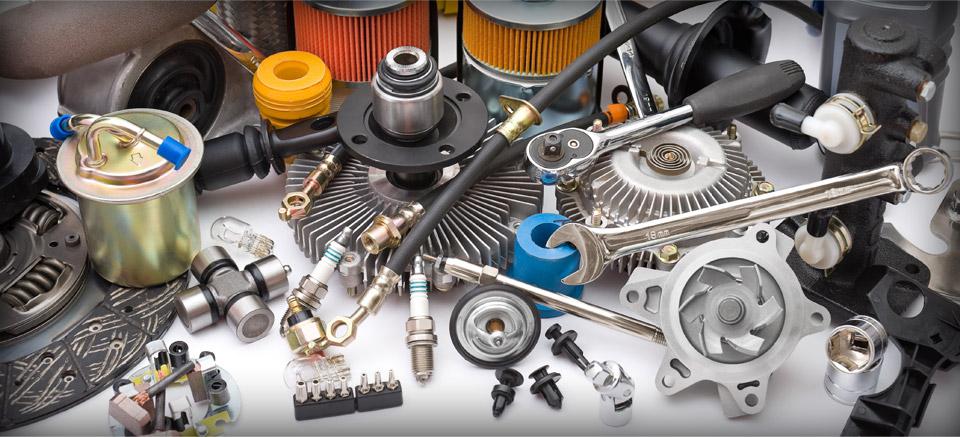
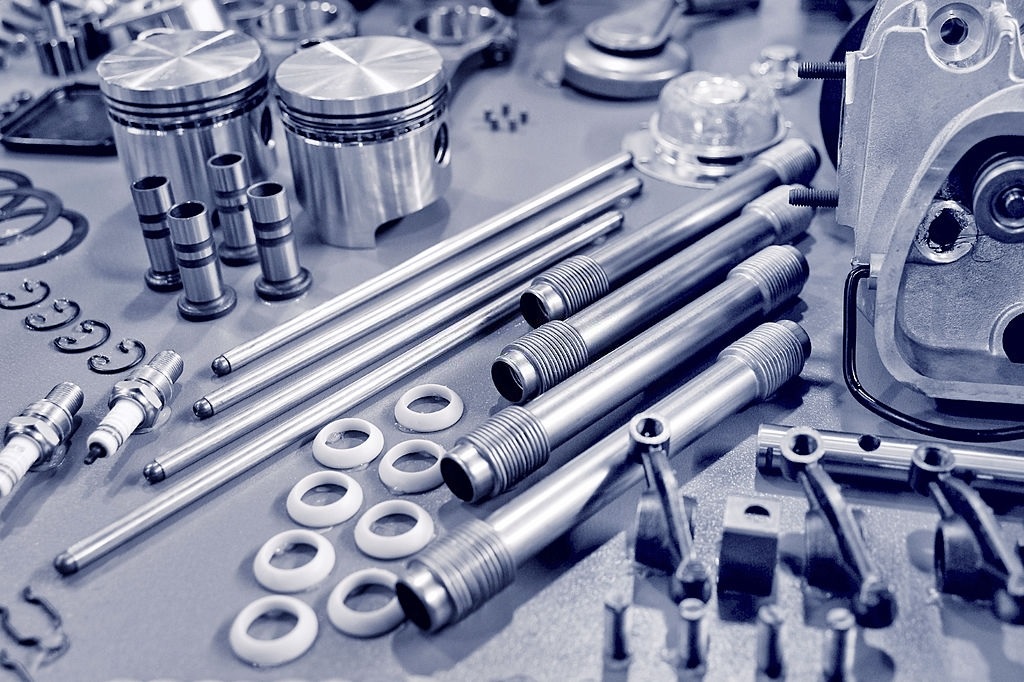
Beyond the grand assemblies, a network of gaskets, belts, filters, fasteners, and fuses silently exerts major influence over vehicle longevity and owner confidence. Even minute variations in material quality or fit can alter performance, safety, and cost of ownership345.
The New Age of Innovation: How Auto Parts Are Evolving
1. Electrification and the Rise of Smart Components
The electrification of mobility constitutes a seismic shift. Modern vehicles depend on specialized high-voltage batteries, electric motors, power electronics, and dedicated cooling circuits. With fewer moving parts than internal combustion engines—but far more sensors and control chips—electric vehicles (EVs) have redefined the very nature of “essential” auto parts267.
-
Smart sensors regulate battery temperatures, monitor motor output, and anticipate component wear.
-
Connected parts enable over-the-air updates and predictive maintenance, leveraging real-time data to prevent breakdowns.
2. Sustainable Materials and Manufacturing
Stricter emissions standards and eco-conscious consumers have catalyzed the integration of advanced materials like carbon fiber, recycled plastics, and aluminum-magnesium alloys. These not only lighten the vehicle—improving efficiency—but also reduce environmental impact, especially when combined with closed-loop manufacturing and recycling initiatives86.
-
Bio-based composites are now featured in interiors and body panels, marrying strength with sustainability.
-
3D printing enables bespoke solutions, faster prototyping, and reduced material wastage—ushering in a smarter era of production82.
3. Aftermarket Renaissance and Digital Marketplaces
Once dependent on local garages, the aftermarket parts segment now thrives on digital platforms, AI-driven recommendations, and rapid logistics:
-
Bulk and personalized orders are delivered via intuitive e-commerce, increasing access and affordability.
-
AI augments the experience: from inventory management, to predictive parts suggestions based on driving history9.
4. The Human Factor: Specialist Skill and Training
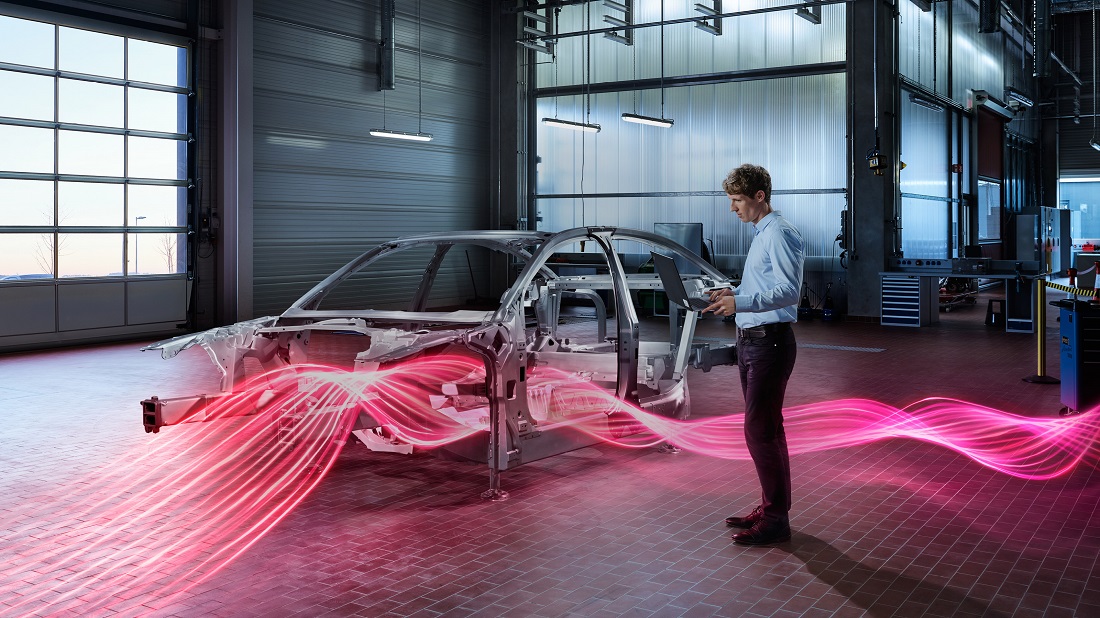
As parts become smarter and more complex, the demand for technically skilled mechanics is rising. Garages worldwide are reskilling, learning to service EVs, handle high-voltage systems, and operate diagnostic interfaces—a testament to the reshaping of automotive craftsmanship10.
Quality Above All: The Imperative of Genuine Parts
Selecting high-quality auto parts is far more than an economic decision; it is a matter of trust, safety, and legacy:
-
Safety: High-grade components undergo stringent testing, minimizing malfunctions and the subsequent risk of accidents3411.
-
Performance: Authentic parts fit precisely, optimizing fuel consumption and vehicle dynamics.
-
Longevity: Superior materials and construction diminish the frequency of failures and replacements, offering greater peace of mind and lower lifetime costs511.
-
Reliability: Genuine parts are less liable to sudden breakdowns, enhancing daily mobility and protecting the resale value of the vehicle512.
Conversely, inferior alternatives increase wear, decrease efficiency, and often fail under duress—sometimes with costly or even dangerous consequences311.
Tomorrow’s Landscape: Trends Reshaping the Auto Parts Industry
Electrification and Autonomous Vehicles
As more vehicles shift to electric and hybrid configurations, demand for traditional exhaust and fuel system parts wanes, while needs for high-quality sensors, control units, and battery components surge13147. Autonomous vehicle development adds layers of complexity; radar, lidar, and camera systems are now integral components.
Sustainability as a Guiding Principle
Eco-friendly parts, recyclable materials, and energy-efficient manufacturing are no longer optional. Regulatory incentives and consumer preference are steering the industry toward greener solutions, with recycled content and bio-based innovations setting new standards986.
Smart Manufacturing and Resilient Supply Chains
Manufacturers are diversifying suppliers, embracing advanced automation, and leveraging AI for forecasting and inventory control—creating a more robust, agile ecosystem that can weather global disruptions13.
The Personal Touch: Customization and Predictive Care
With a growing embrace of digitalization, auto parts suppliers are offering bespoke designs, smart diagnostics, and user-tailored recommendations—empowering motorists to proactively maintain their vehicles and enjoy a personalized journey92.
Conclusion
Auto parts may operate in the shadows of their more glamorous automotive hosts, but their story is one of relentless ingenuity and unyielding importance. As vehicles become cleaner, smarter, and more connected, the world of auto parts is not simply keeping pace—it is setting the tempo. In every turn of the road and revolution of the wheel, these components speak of a future where safety, sustainability, and human creativity reign supreme. Choosing wisely, appreciating craftsmanship, and championing innovation ensure that each drive—today and tomorrow—is an experience worth savoring.