Beneath the Bonnet: Exploring the Modern World of Auto Parts and Their Lasting Influence
Introduction
In the age of intelligent mobility and electrification, auto parts might appear as subdued players in a dazzling automotive drama. However, a deeper look reveals them as the ingenious building blocks of every journey—guardians of efficiency, safety, and sustainability. With relentless innovation and meticulous craftsmanship, the global auto parts industry is charting a bold new direction for vehicles and drivers alike.
The Foundational Fabric: Core Categories of Auto Parts
Dynamic Essentials: The Heartbeat and Backbone
Modern vehicles are a symphony of interlocking systems. Consider these foundational categories:
-
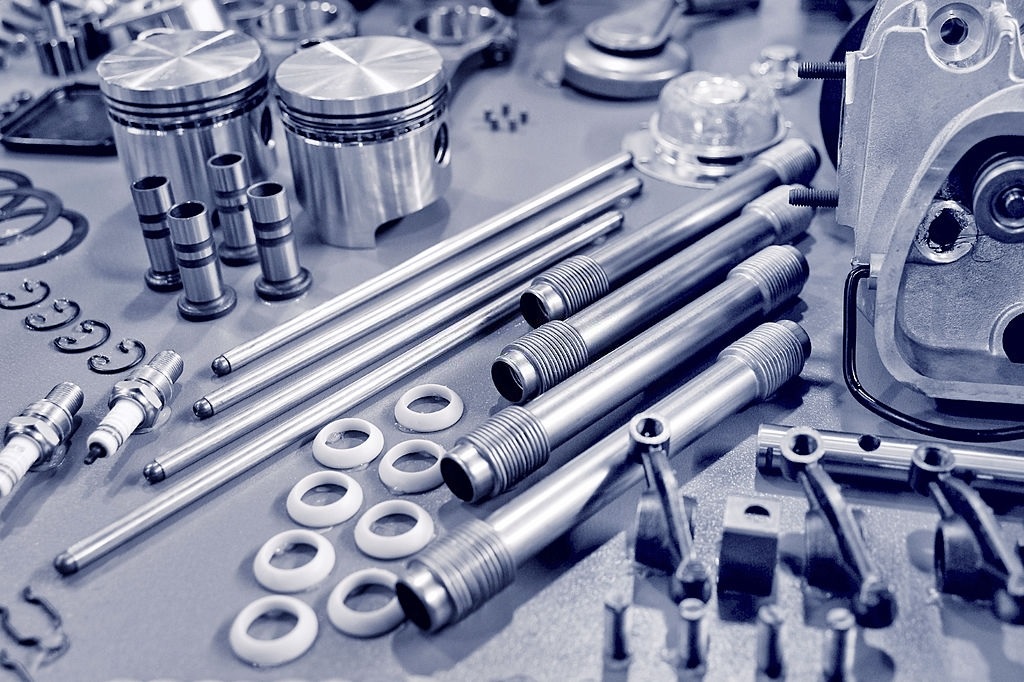
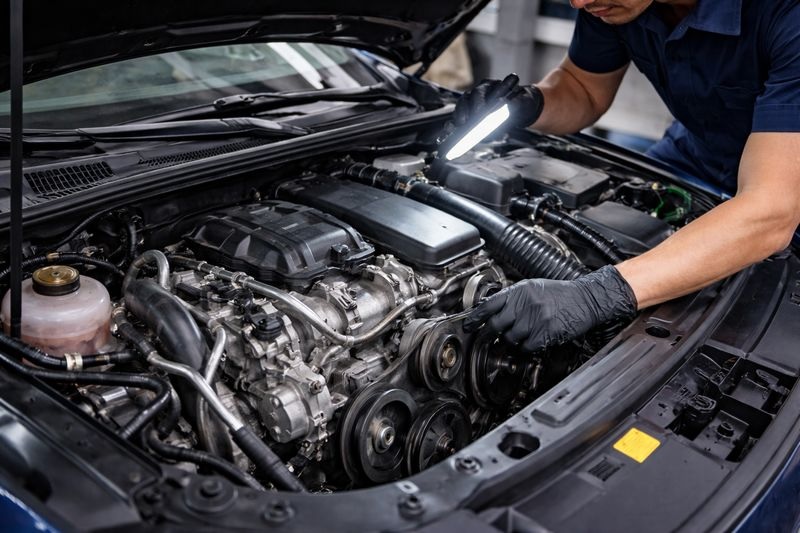
Powertrain: Encompassing the engine, transmission, axles, and driveshafts, the powertrain deftly translates energy—whether drawn from combustion or batteries—into onward movement.
-
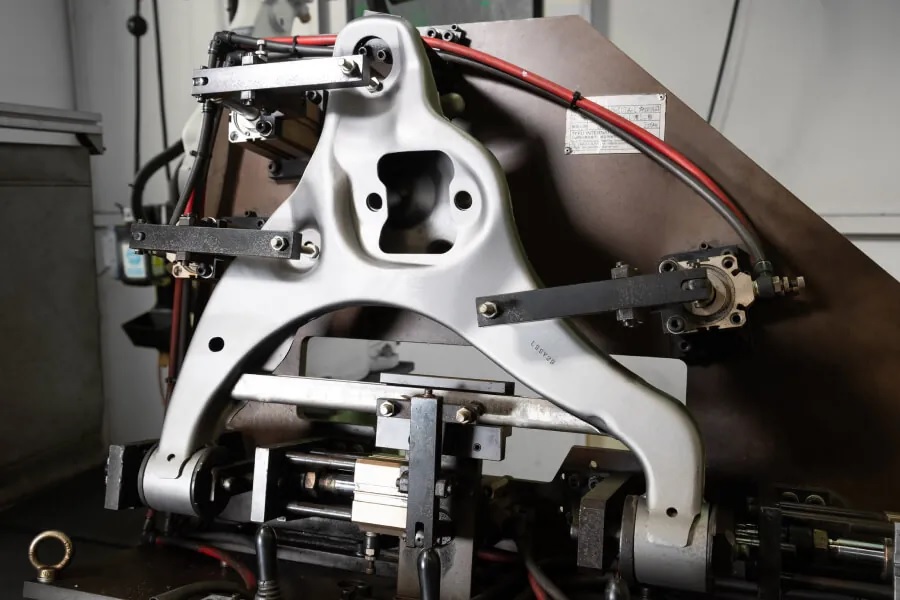
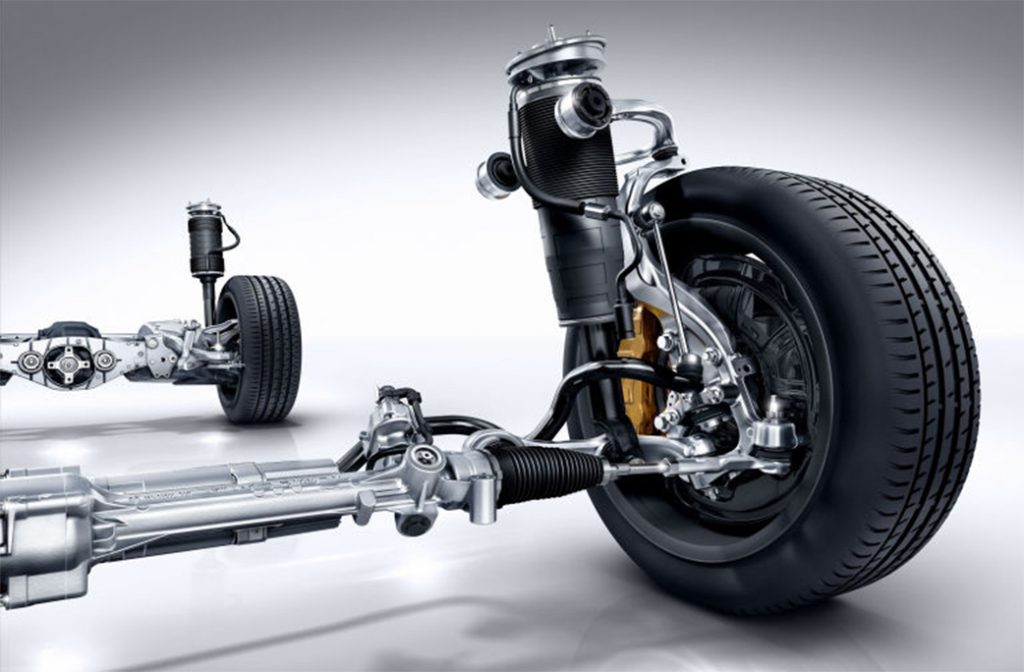
Chassis and Suspension: Forged from steel, aluminum, and composites, these frameworks provide strength, absorb road shocks, and preserve ride comfort across all terrains.
-
Steering and Braking: Components like precision-developed steering racks, tie rods, disc brakes, and advanced anti-lock modules orchestrate agility and safety, placing control quite literally in the driver’s hands.
Support and Control: The Silent Sentries
Once the realm of mechanics, auto parts now embrace electronics and software:
-
Electrical Systems: Batteries, alternators, wiring harnesses, sensors, and control units have become digital nerve centers, continuously monitoring and adjusting countless variables.
-
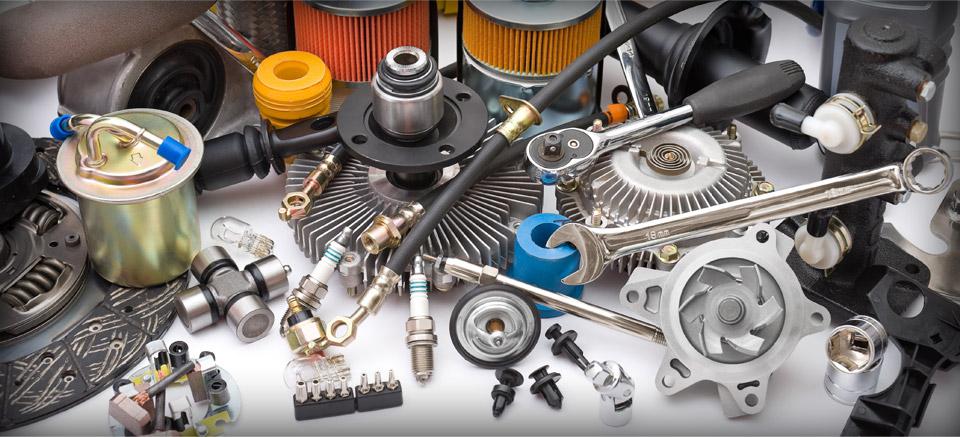
Thermal and Lubrication Systems: Radiators, oil pumps, fans, and filters manage temperatures and friction, ensuring smooth, long-lasting operation.
Even the smallest cogs—gaskets, seals, fuses—play crucial roles, with their integrity essential to preventing breakdowns and maximizing vehicle lifespan.
Innovation at the Crossroads: How Trends Are Shaping Auto Parts
Electrification and Smart Mobility
The transition to electric vehicles (EVs) has reimagined the auto parts landscape. EVs introduce advanced battery packs, electric motors, dedicated cooling systems, and fewer moving wear-prone components compared to combustion engines. Manufacturers focus on lightweight designs to offset heavy batteries, and new challenges arise, such as battery management and high-voltage safety1.
-
Battery Technology: Lithium-ion cells, thermal management plates, power inverters, and control modules represent a new pantheon of essential EV parts1.
-
Smart Components: Modern cars feature advanced sensors, cameras, radar, lidar, and telematics units. These systems underpin driver assistance and real-time diagnostics, reshaping the service landscape12.
Materials Revolution: Strength, Lightness, and Sustainability
Regulatory pressures and consumer awareness drive remarkable material innovation:
-
Aluminum and Magnesium Alloys: Used for structural elements, these metals balance resilience with weight-saving benefits—a must for electric and fuel-efficient vehicles2.
-
Carbon Fiber Composites: Once reserved for racing, they’re finding their way into body panels and suspension arms for high strength-to-weight ratios.
-
Bio-Based Polymers and Recycled Plastics: Employed in dashboards, seat foam, and even bumpers, these materials help advance the circular economy and reduce reliance on fossil resources23.
Sustainability in Manufacturing
Sustainable practices are reshaping production:
-
Energy-Efficient Forging and Facilities: Manufacturers adopt more efficient furnaces and renewable energy sources to lower emissions45.
-
Eco-Friendly Coatings: Water-based and powder coatings replace solvent-heavy processes, protecting parts while minimizing environmental impact43.
-
Closed-Loop Recycling: Factories integrate scrap recycling into production workflows to minimize waste and resource use36.
3D Printing and AI-Powered Production
-
Additive Manufacturing (3D Printing): Enables custom, lightweight components for EVs and niche markets while slashing material waste and accelerating prototyping14.
-
AI and Machine Learning: Optimize quality control during manufacturing, predict maintenance needs, and manage supply chains for greater efficiency1.
Aftermarket Evolution: The Changing Face of Service and Supply
The rise of electrification and digital platforms is transforming the aftermarket. Out-of-warranty vehicles—especially in fast-growing markets—mean surging demand for replacement and performance parts, with a particular emphasis on EV-specific needs7. Online marketplaces, predictive analytics, and personalized recommendations are putting more options and information in the hands of drivers and repair shops alike.
The Case for Genuine Parts: Quality, Safety, and Value
Opting for genuine, manufacturer-approved parts ensures:
-
Safety: Components meet rigorous tolerance and testing requirements, dramatically reducing the risk of critical failures8910.
-
Performance: Factory-specified parts deliver optimal fuel economy, ride quality, and handling, preserving the intended driving dynamics of the vehicle89.
-
Reliability and Warranty Protection: Genuine parts support longer service intervals and are often accompanied by robust warranties, offering peace of mind and reducing long-term costs89.
-
Resale Value: Vehicles maintained with genuine parts better retain their value, as buyers and inspectors often scrutinize repair histories for quality1011.
In contrast, counterfeit or substandard components can jeopardize performance, increase maintenance frequencies, and even create safety hazards—costs that far outweigh any initial savings8910.
Meeting the Challenges: Resilience and Adaptation in the Sector
Auto parts manufacturers face formidable challenges, including:
-
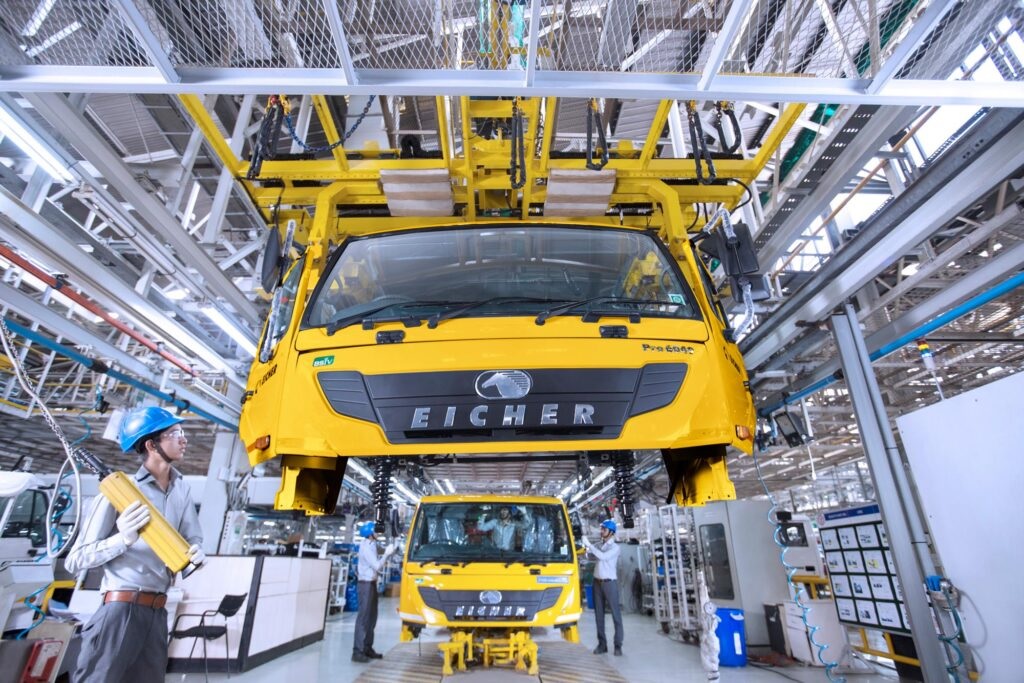
Supply Chain Disruptions: Globalization offers both opportunities and risks. Firms are investing in local manufacturing, supplier diversification, and advanced inventory management to remain resilient125.
-
Regulatory Shifts: Duties, taxes, and environmental standards are forcing companies to innovate faster, reduce imports, and adopt more sustainable processes12135.
-
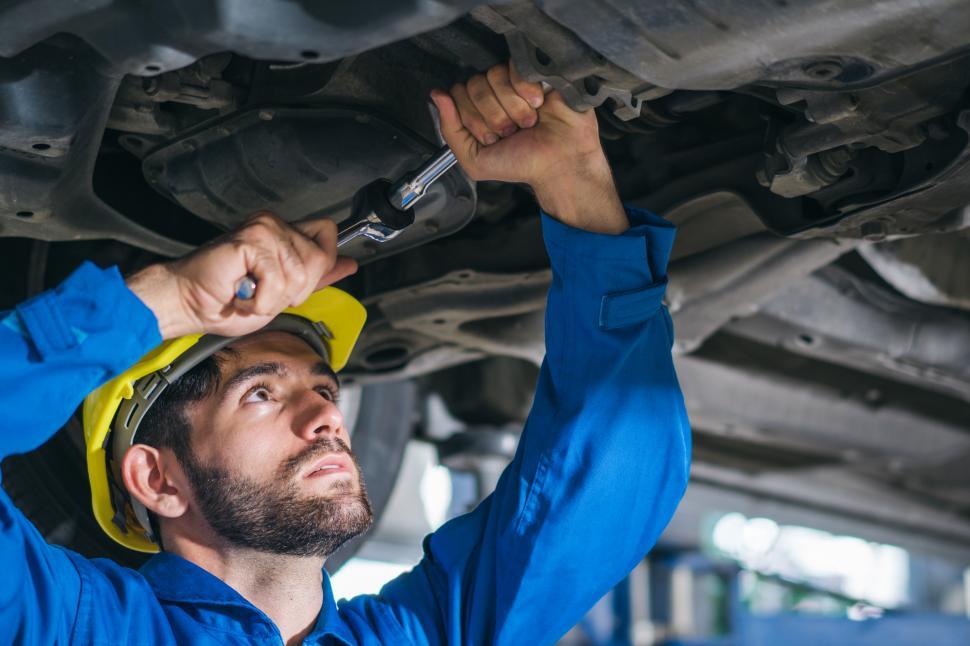
Skills Evolution: As parts and systems grow more complex, mechanics and service centers must continually update their expertise—especially for electrified and connected vehicles71.
Glancing Ahead: The Future of Auto Parts
Looking to 2025 and beyond, expect the industry to be shaped by:
-
An emphasis on advanced electronics and intelligent systems.
-
Wider adoption of biodegradable materials and circular economy principles42.
-
Ongoing digital transformation in service, diagnostics, and supply for both professional and at-home mechanics71.
-
The rise of modular and standardized parts—promoting repairability, upgrade potential, and sustainability3.
Conclusion
The world of auto parts is no longer hidden beneath the bonnet; it stands at the cutting edge of engineering, sustainability, and economic strategy. Each piece—visible or secreted away—bears the mark of research, craftsmanship, and vision. As vehicles become cleaner, more intelligent, and more interconnected, so too will their underpinning components continue to adapt, setting the standard for safety, reliability, and progress for years to come.